
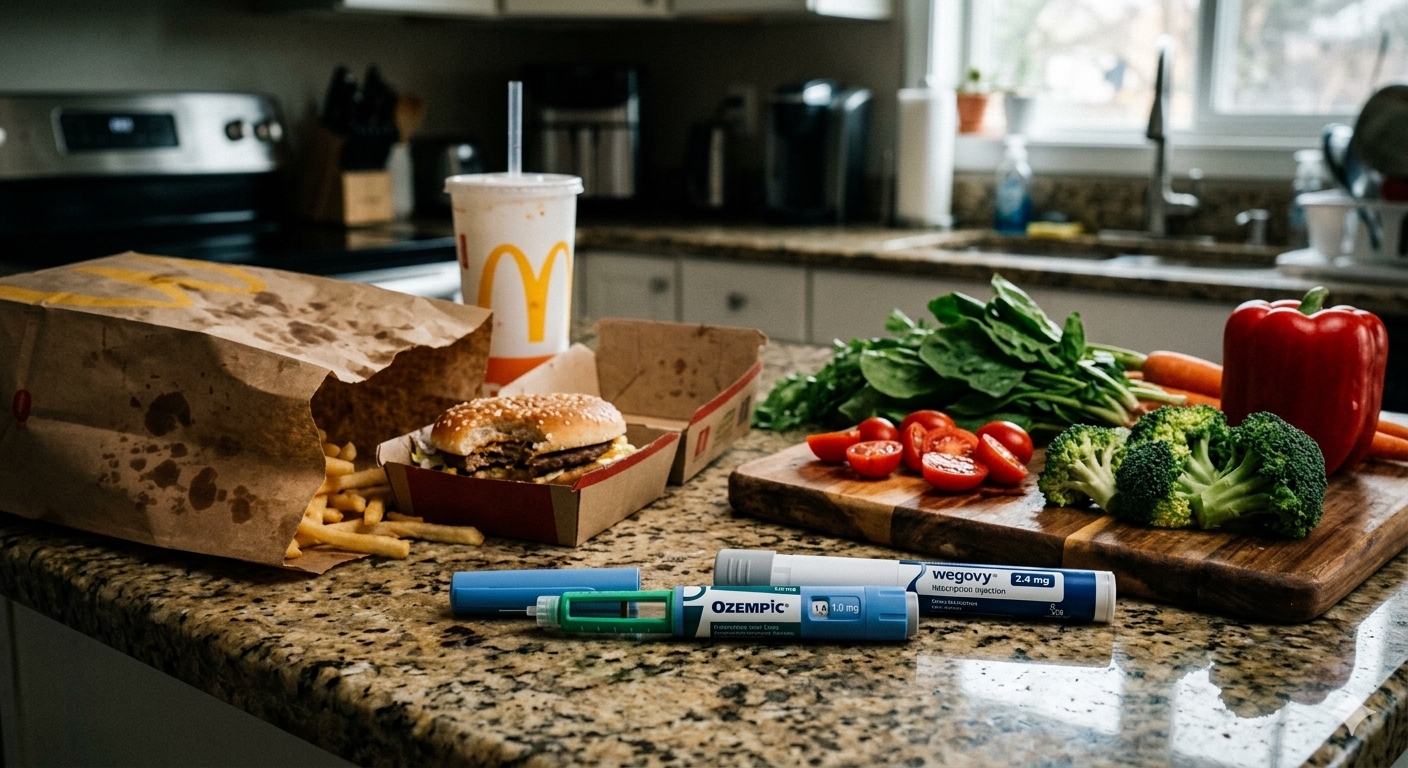
For millions of Americans, drugs like Ozempic and Wegovy looked like a breakthrough. Fast weight loss. Lower blood sugar. Reduced appetite.
But in 2026, the conversation around Wegovy side effects has changed dramatically.
Across news outlets, Reddit communities, lawsuits, and even celebrity interviews, more users are questioning whether the risks of these popular obesity drugs are being fully explained.
And some of the stories are hard to ignore.
The Rise of Semaglutide Drugs in America
Both Ozempic and Wegovy contain semaglutide, a GLP-1 receptor agonist originally developed for diabetes treatment. Wegovy was later approved specifically for obesity management.
The popularity exploded because the results were real. Many patients reported losing 10% to 20% of their body weight within months.
The FDA even approved a higher-dose version called Wegovy HD in March 2026.
But the same FDA announcement also repeated the now-familiar warning signs:
- nausea
- vomiting
- constipation
- diarrhea
- abdominal pain
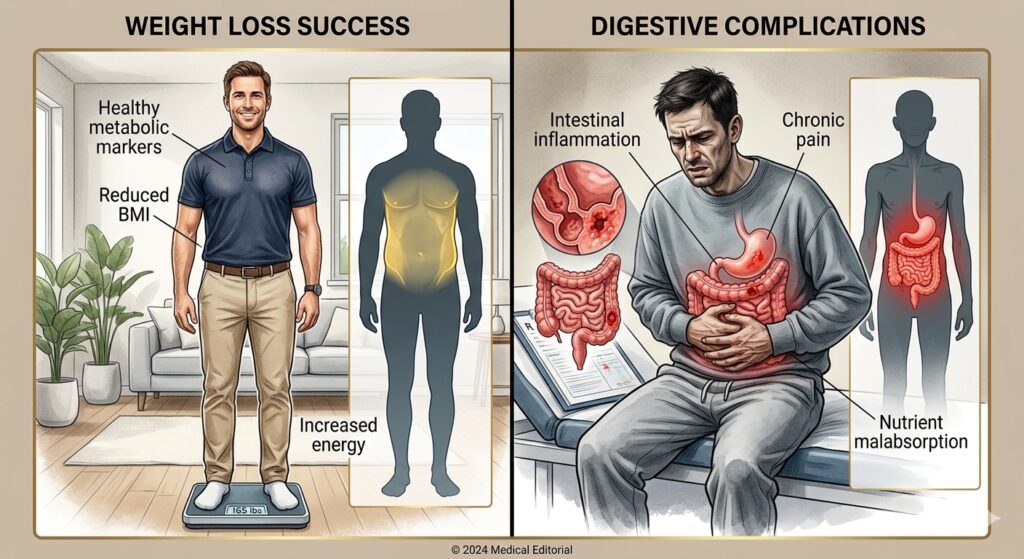
Those digestive complications are now at the center of the controversy.
Why the Backlash Is Growing
The backlash is not happening because the drugs “don’t work.”
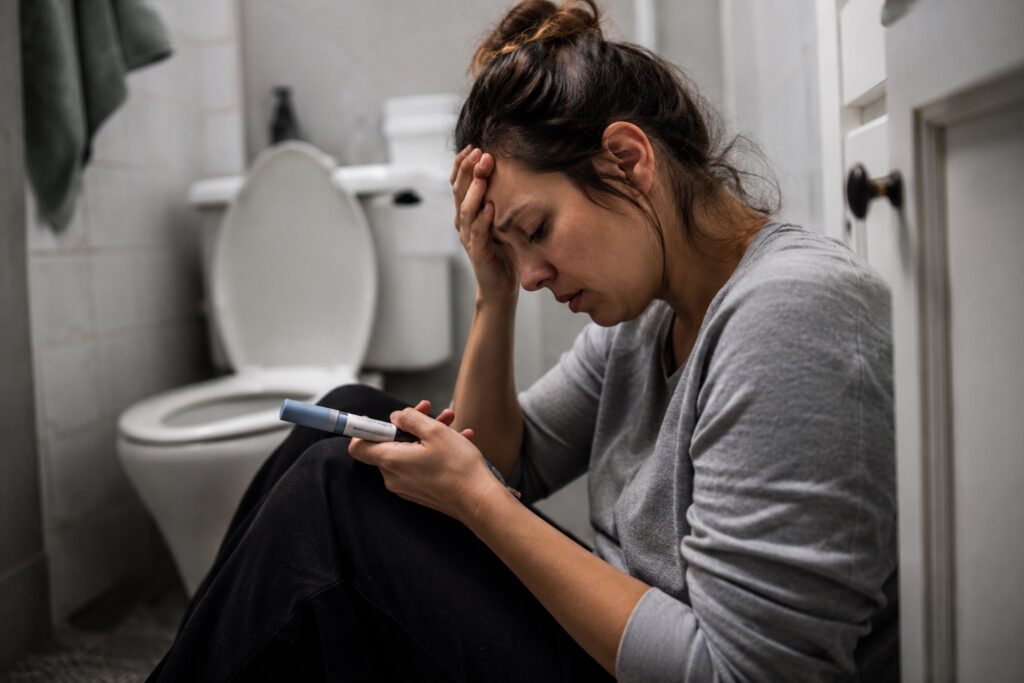
It is happening because many users say the side effects were far more severe than expected.
In recent months, lawsuits involving alleged stomach paralysis, intestinal blockage, and vision problems have continued growing in U.S. courts. Some reports say thousands of active claims are now part of multidistrict litigation related to GLP-1 drugs.
One of the biggest concerns is gastroparesis, sometimes called “stomach paralysis.”
This condition slows or stops stomach emptying, causing food to remain in the stomach much longer than normal. Symptoms can include:
- severe bloating
- constant nausea
- vomiting undigested food
- abdominal pain
- malnutrition
Because semaglutide intentionally slows digestion, critics argue some patients were not fully warned about how serious those effects could become.
Real Stories Are Fueling the Debate
A recent investigation published by the New York Post featured patients who said GLP-1 side effects masked symptoms of colon cancer.
One woman reportedly believed her fatigue and digestive issues were caused by Ozempic, only to later discover she had stage 2 colon cancer. Another patient was diagnosed with stage 4 cancer after years of assuming her symptoms were medication-related.
These stories triggered intense online discussion because digestive discomfort has become so normalized among users.
Many people now wonder:
“How do you know when symptoms are just normal semaglutide side effects… and when they’re something dangerous?”
That uncertainty is becoming a major public health concern.
Reddit Communities Reveal What Clinical Trials Missed
One reason the Ozempic controversy keeps growing is because online communities are documenting experiences in real time.
Researchers analyzing more than 400,000 Reddit posts found that gastrointestinal symptoms dominated discussions about GLP-1 medications.
The most commonly reported problems included:
- nausea
- fatigue
- vomiting
- constipation
- diarrhea
But researchers also found lesser-known complaints that were not heavily emphasized in earlier public discussions, including hot flashes, chills, and menstrual irregularities.
On Reddit, many users describe side effects worsening after eating greasy foods, alcohol, or spicy meals.
One Ozempic user wrote:
“I had severe burping, gas, and diarrhea at 3AM after fried food and beer.”
Another user described recurring vomiting after increasing dosage levels.
These are anecdotal reports, not controlled medical evidence. But the volume of similar stories has helped shape public perception.
Even Celebrities Are Speaking Out
The discussion became even more mainstream after celebrity figures openly discussed negative experiences.
Recently, Kris Jenner confirmed she had used Ozempic and said the medication made her so nauseous that she “couldn’t work.”
That matters because celebrity culture helped fuel the original hype around semaglutide drugs.
Now, some of those same public figures are contributing to a more cautious narrative.
Are These Drugs Still Safe?
This is where the debate becomes complicated.
Medical experts still emphasize that obesity itself is a serious health risk. Diabetes, cardiovascular disease, sleep apnea, and hypertension remain major causes of death in the United States.
Many doctors argue the benefits of semaglutide drugs still outweigh the risks for appropriate patients.
Even on Reddit, some users push back against fear-driven narratives.
One commenter wrote:
“People should spend as much time googling the side effects of obesity as they do the side effects of Ozempic.”
That tension explains why the public conversation has become so polarized.
For some people, these drugs are life-changing.
For others, the digestive complications become unbearable.
And for many Americans, the biggest concern is whether long-term safety data is still incomplete.
The Future of GLP-1 Drugs in 2026
Despite the controversy, demand remains extremely high.
Pharmaceutical companies continue investing billions into next-generation obesity drugs. Analysts expect GLP-1 medications to remain one of the fastest-growing sectors in healthcare throughout the decade.
But public scrutiny is also intensifying.
Patients are demanding clearer warnings.
Doctors are urging closer monitoring.
Researchers are studying long-term semaglutide safety more aggressively than ever before.
The era of viewing Ozempic and Wegovy as simple “miracle weight loss shots” may already be ending.
And that shift could redefine the entire obesity treatment industry.
Final Thoughts
The growing backlash around Wegovy side effects reflects something bigger than one drug.
Americans are increasingly asking difficult questions about modern obesity medicine:
- How much risk is acceptable for rapid weight loss?
- Were patients fully informed about digestive complications?
- And are social media trends moving faster than long-term science?
Right now, there are no simple answers.
But one thing is clear: the conversation around semaglutide safety is only getting louder.
Sources
- FDA announcement on Wegovy HD approval
- New York Post report on GLP-1 drugs masking cancer symptoms
- Fox News report on Reddit side effect analysis
- Independent article about Ozempic side effect experiences
- Drugwatch report on Wegovy lawsuits and digestive complications
- Reddit Ozempic side effect discussion thread
- Academic analysis of semaglutide side effects from Reddit data
- InStyle interview discussing Kris Jenner’s Ozempic side effects
Disclaimer: This content is for informational purposes only and is not intended as medical advice, diagnosis, or treatment. Always seek the advice of a qualified healthcare provider with any questions you may have regarding a medical condition.