
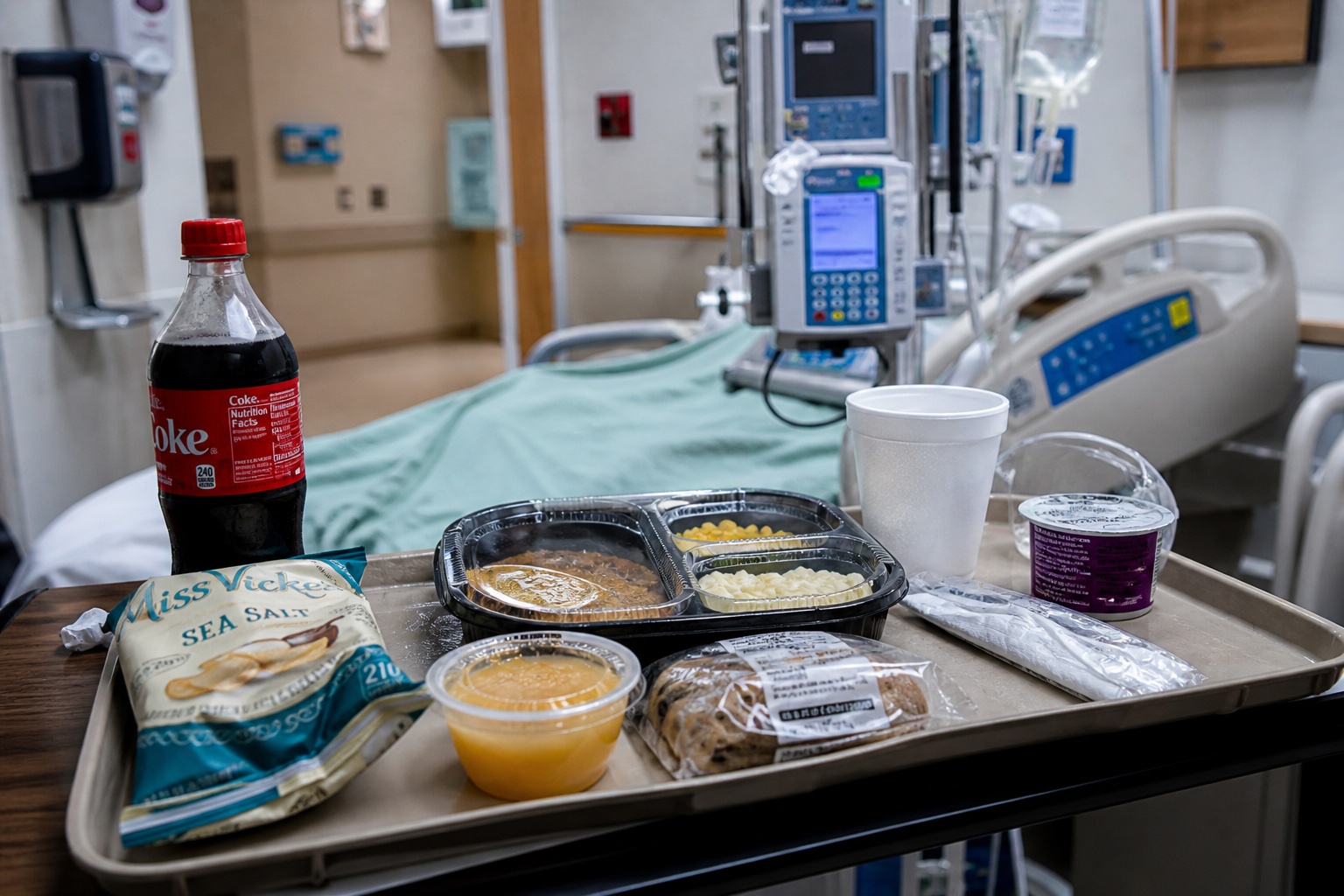

Ultra-processed foods are now at the center of a growing debate in American healthcare, and critics say hospitals may be contributing to the very chronic illnesses they are supposed to treat.
For many patients, hospital food is expected to support healing. But in recent months, doctors, nutrition researchers, and public health advocates have raised concerns about the amount of ultra-processed food served in U.S. hospitals.
The discussion intensified after recent public statements from U.S. health officials criticizing the nutritional quality of hospital meals and warning about the long-term effects of heavily processed diets. According to reporting from CBS News, some policymakers are now pushing hospitals to reduce processed ingredients and improve nutritional standards in patient meals.
What Are Ultra-Processed Foods?
Ultra-processed foods are industrially manufactured products that often contain additives, preservatives, artificial flavors, emulsifiers, and refined ingredients.
Common examples include:
- packaged snacks
- sugary cereals
- processed meats
- instant noodles
- frozen ready-made meals
- sweetened drinks
These foods are designed for convenience and long shelf life. However, researchers increasingly associate high consumption with obesity, cardiovascular disease, type 2 diabetes, and inflammation.
A widely cited 2024 review published in The BMJ linked ultra-processed food consumption to multiple adverse health outcomes.
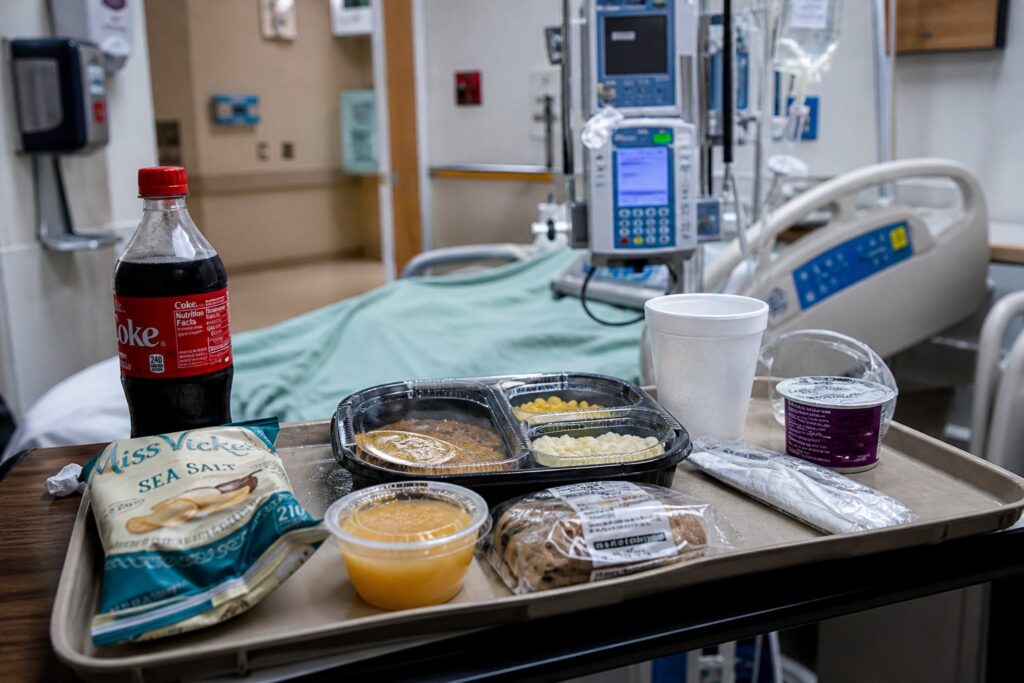
Why Hospital Food Is Under Scrutiny
Critics argue that hospitals should model healthy eating habits instead of serving meals high in sodium, sugar, and processed ingredients.
This concern is especially important for patients recovering from conditions such as:
- heart disease
- diabetes
- hypertension
- obesity-related illnesses
Some nutrition experts argue that serving ultra-processed meals in hospitals creates a contradiction. Patients may receive treatment for chronic diseases while simultaneously consuming foods linked to worsening those same conditions.
According to coverage from CBS News, some health officials have questioned whether current hospital food systems prioritize cost and convenience over long-term patient health.
The Economic Reality Hospitals Face
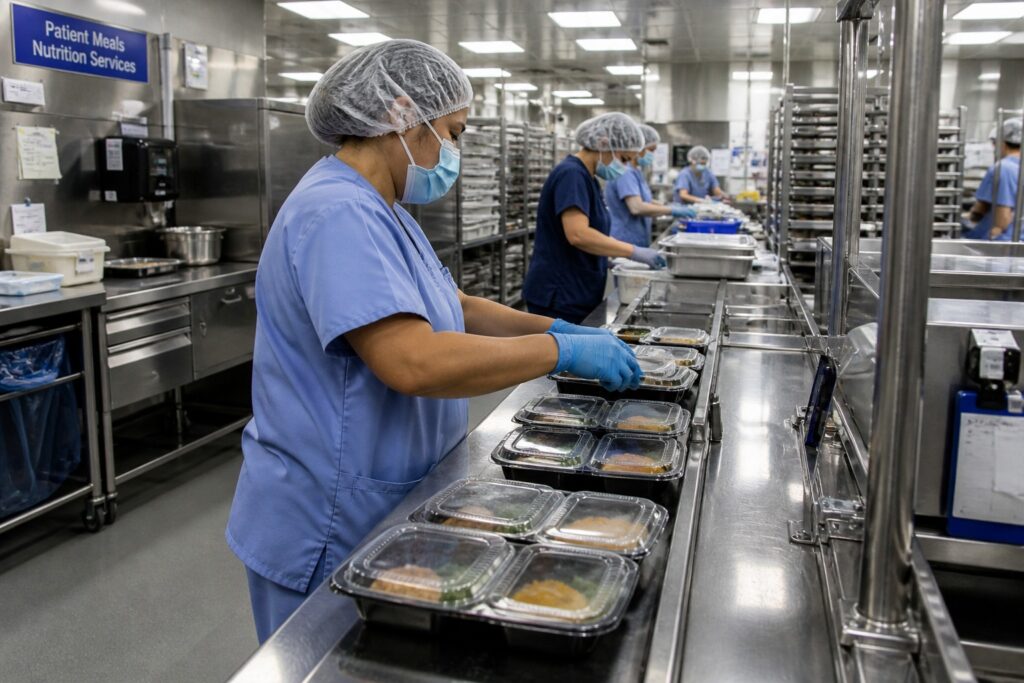
Hospital administrators often defend current meal systems by pointing to budget constraints.
Fresh ingredients require:
- more labor
- refrigeration infrastructure
- faster distribution systems
- trained kitchen staff
Ultra-processed products are cheaper, easier to store, and faster to prepare.
This creates a difficult balance between affordability and nutrition quality.
Some healthcare economists argue that hospitals operate under intense financial pressure, especially after staffing shortages and rising operational costs in recent years.
What Research Says About Ultra-Processed Foods
Scientific concern around ultra-processed foods has grown rapidly over the last decade.
Researchers have identified possible links between high intake of ultra-processed foods and:
- increased inflammation
- metabolic disorders
- gut microbiome disruption
- higher mortality risk
One major challenge is that ultra-processed foods now make up a large percentage of the average American diet.
According to research frequently cited by public health experts, ultra-processed products account for more than half of calorie intake for many adults in the United States.
Some scientists caution that more long-term controlled studies are still needed. However, concern within the nutrition community continues to grow.
Could Hospitals Become Part of the Solution?
Some hospitals have already started changing their food policies.
Several healthcare systems in the United States have introduced:
- plant-forward menus
- reduced processed meat options
- locally sourced ingredients
- nutrition-focused recovery meals
Supporters believe hospitals could influence healthier eating habits by setting stronger nutritional standards.
Others argue that food reform alone will not solve broader healthcare problems tied to poverty, food deserts, and access to affordable healthy meals.

Final Thoughts
The debate over ultra-processed foods in hospitals reflects a larger question about the future of healthcare in America.
Should hospitals focus only on treatment? Or should they also actively model the kind of nutrition that may help prevent chronic disease in the first place?
As concerns about diet-related illness continue to rise in the United States, hospital food policies may face increasing public scrutiny.
For patients and families, this debate could eventually shape not only what happens inside hospitals, but how Americans think about food and health overall.
Sources
- CBS News reporting on U.S. hospital food policy discussions and processed food concerns
- The BMJ research reviews on ultra-processed foods and health outcomes
Disclaimer: This content is for informational purposes only and is not intended as medical advice, diagnosis, or treatment. Always seek the advice of a qualified healthcare provider with any questions you may have regarding a medical condition.