
Ever walked out of your annual checkup with a “everything looks normal!” from your doctor… and still felt exhausted, bloated, or just off? If that sounds familiar, you’re not alone. A lot of people are starting to wonder if the basic blood test they’ve been getting every year is really telling them the whole story about their health.
That’s exactly why gut microbiome tests have exploded in popularity lately. Scroll through Instagram or TikTok for five minutes and you’ll probably see an ad for a stool test kit promising to “decode your gut” and hand you a personalized health plan.
But here’s the real question everyone’s asking: is a gut microbiome test actually better at predicting your health than the standard blood panel your doctor already orders? Let’s break it down.
First, What Even Is a “Standard Blood Panel”?
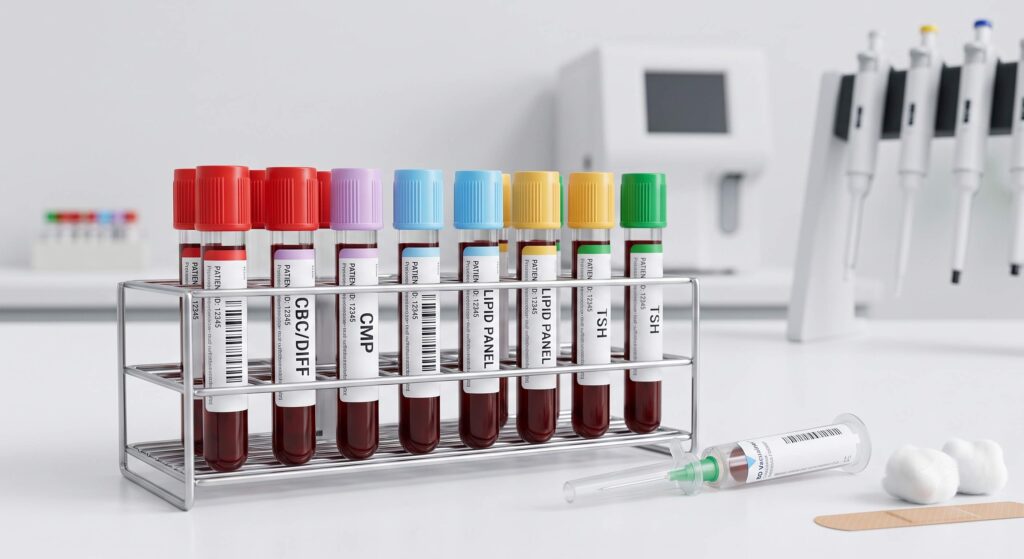
When people say “blood panel,” they usually mean the basic set of tests your doctor orders at a checkup. Think of it like a health report card. It typically includes:
- Complete Blood Count (CBC) – checks your red and white blood cells, basically telling you if you’re fighting an infection or dealing with anemia
- Cholesterol panel – measures the “good” and “bad” fats floating in your blood
- Blood sugar (glucose) – tells you how your body is handling sugar, which matters for diabetes risk
- hs-CRP (high-sensitivity C-reactive protein) – a marker that goes up when there’s inflammation somewhere in your body
This last one, hs-CRP, is having a bit of a moment in 2026. It’s a simple blood marker, but it can hint at hidden inflammation that might be connected to heart disease, gut issues, or just general “wear and tear” on your body. The big appeal of blood panels is that they’ve been studied for decades. Doctors know what a “normal” versus “abnormal” number actually means for your health.
Now, What’s a Gut Microbiome Test?
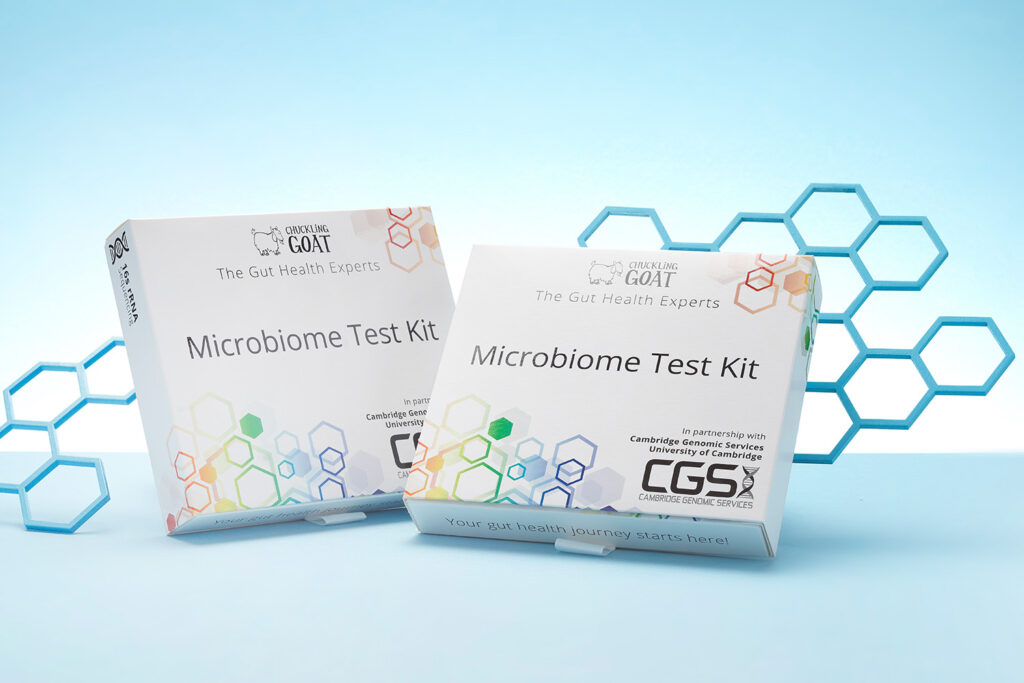
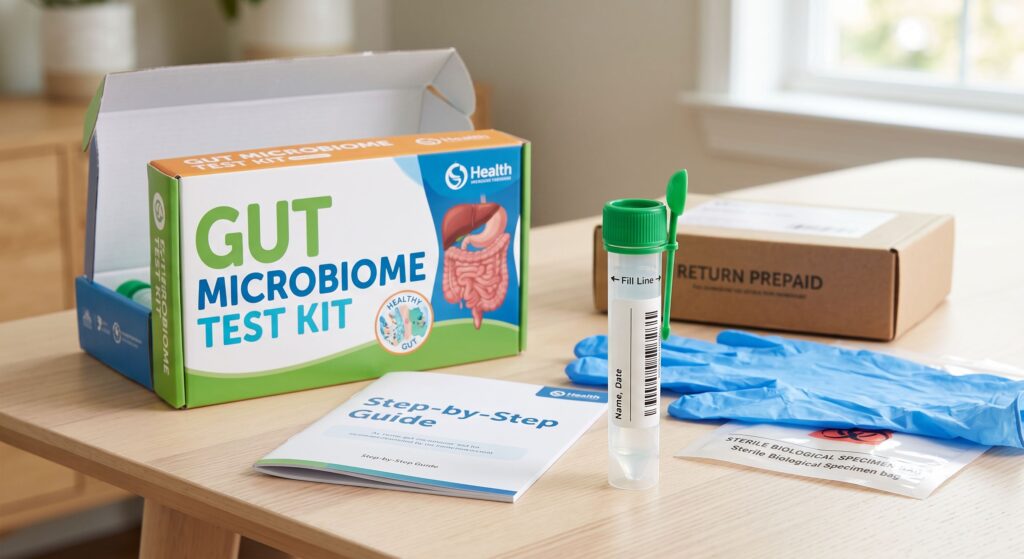
A gut microbiome test works completely differently. Instead of a blood draw, you collect a small stool sample at home, mail it to a lab, and they analyze the trillions of bacteria living in your intestines. The report usually shows you which types of bacteria you have a lot of, which ones you’re missing, and sometimes gives you a “diversity score.”
The idea behind it is genuinely interesting — scientists increasingly believe your gut bacteria affect way more than just digestion. They may play a role in your immune system, your mood, and even how your body handles inflammation. That’s a big part of why these tests feel so exciting to people chasing a more personalized, “root cause” approach to health.
So Which One Actually Tells You More?
This is where things get honest. According to gastroenterologists interviewed by the Associated Press in 2026, the science behind gut microbiome testing is still moving faster than what doctors can actually use in a clinic. In other words, labs can measure your bacteria in incredible detail, but doctors don’t yet have solid, research-backed ways to turn that data into a specific treatment plan. One doctor pointed out that being able to measure something doesn’t automatically mean it’s medically useful yet.
A gastroenterology professor quoted by WebMD made a similar point, explaining that while research on the gut microbiome is growing fast, there isn’t enough hard evidence yet to say a home test can reliably guide your health decisions.
Blood panels, on the other hand, have the advantage of decades of research behind them. If your cholesterol or blood sugar comes back high, your doctor has clear, well-established guidelines for what to do next. That kind of predictive reliability is exactly what gut microbiome tests haven’t fully earned yet.
What Real People Are Saying
It’s not just experts — actual users have mixed feelings too.
On the IBS Network community forum, several members shared their experiences after paying for private gut biome tests. A few found the results interesting but said they honestly couldn’t make sense of the report without paying extra for a specialist to interpret it. One person mentioned trying probiotics based on their results and feeling no different afterward, while another said they regretted the cost entirely, feeling like they were treated for a condition they didn’t actually have.
A Bloomberg journalist who tried a $140 gut microbiome test in Germany shared a similarly underwhelmed take, joking that the report labeled her as an “acne-prone meat-eater” — despite that not really matching her actual diet or skin. It’s a small, funny example, but it highlights a bigger pattern: a lot of people walk away from these tests with cool-looking data, but not much they can actually act on.
Here’s the Honest Answer
If you’re asking which one is more medically predictive right now, in 2026, standard blood panels still win. They’re backed by huge amounts of research, doctors know how to interpret them, and the numbers connect directly to real, actionable health decisions — like starting medication, changing your diet, or catching early warning signs of disease.
Gut microbiome tests aren’t useless, though. Think of them less like a diagnostic tool and more like a curiosity tool. They can be genuinely fun and interesting if you want to experiment with your diet and see how your gut responds over time. Just don’t expect them to replace what your doctor’s blood work is telling you — and definitely loop in your doctor before making any big changes based on a mail-in kit.
The Bottom Line
Your best move? Don’t think of it as “gut test vs. blood test.” Think of it as blood test first, gut test optional. Get your basic blood panel done regularly, ask your doctor about adding hs-CRP if you’re curious about inflammation, and if you still want to explore your gut microbiome for fun or curiosity, go for it — just keep your expectations realistic and always talk to a healthcare provider before changing your diet or supplements based on the results.
Sources
- Associated Press – “Gut microbiome tests are everywhere. Should you get one?” (Devi Shastri): https://www.aol.com/articles/gut-microbiome-tests-everywhere-one-140143817.html.html
- WebMD – “Are Direct-to-Consumer Microbiome Tests Useful? Probably Not”: https://www.webmd.com/digestive-disorders/news/20240424/cm/direct-to-consumer-microbiome-tests-untested
- IBS Network Community (HealthUnlocked) – “Gut Biome test is it worth it?”: https://healthunlocked.com/theibsnetwork/posts/144466194/gut-biome-test-is-it-worth-it
- Bloomberg – “Is a $140 Gut Microbiome Test Worth the Money?”: https://links.message.bloomberg.com/s/c/xIZRkeBWfa4P3LuCq56y6NqhPitBQObzez0e1LQCqA5ajse07OYEm6Ct0MUipbs0IpCptjQWZOq-Z2BNhyLyt-HcCIplP0D9AcvHUTcZXtLDXJi-k3BfmUUMebMBr94XSE2l-RDvGkThFehRUD7U0RO4uYpIh70giTHvAhzs9hK347i6qVkzrKSc793ASIwsv282f_Bee63jHs5byo_B5Yhhn7QKYBQZNRu3md5YVUz5zzdRZqO1Y9GW_k5UgnEW2rw-3bEd4A6vW83LMZaZoisylQ/yNpGG_uy8Z6IInYJKZAaULmF0TcAYqRw/9
- Prenuvo Blog – “11 exploding health trends you may see in 2026” (hs-CRP context): https://prenuvo.com/blog/11-exploding-health-trends-you-may-see-in-2026
Disclaimer: This content is for informational purposes only and is not intended as medical advice, diagnosis, or treatment. Always seek the advice of a qualified healthcare provider with any questions you may have regarding a medical condition.