
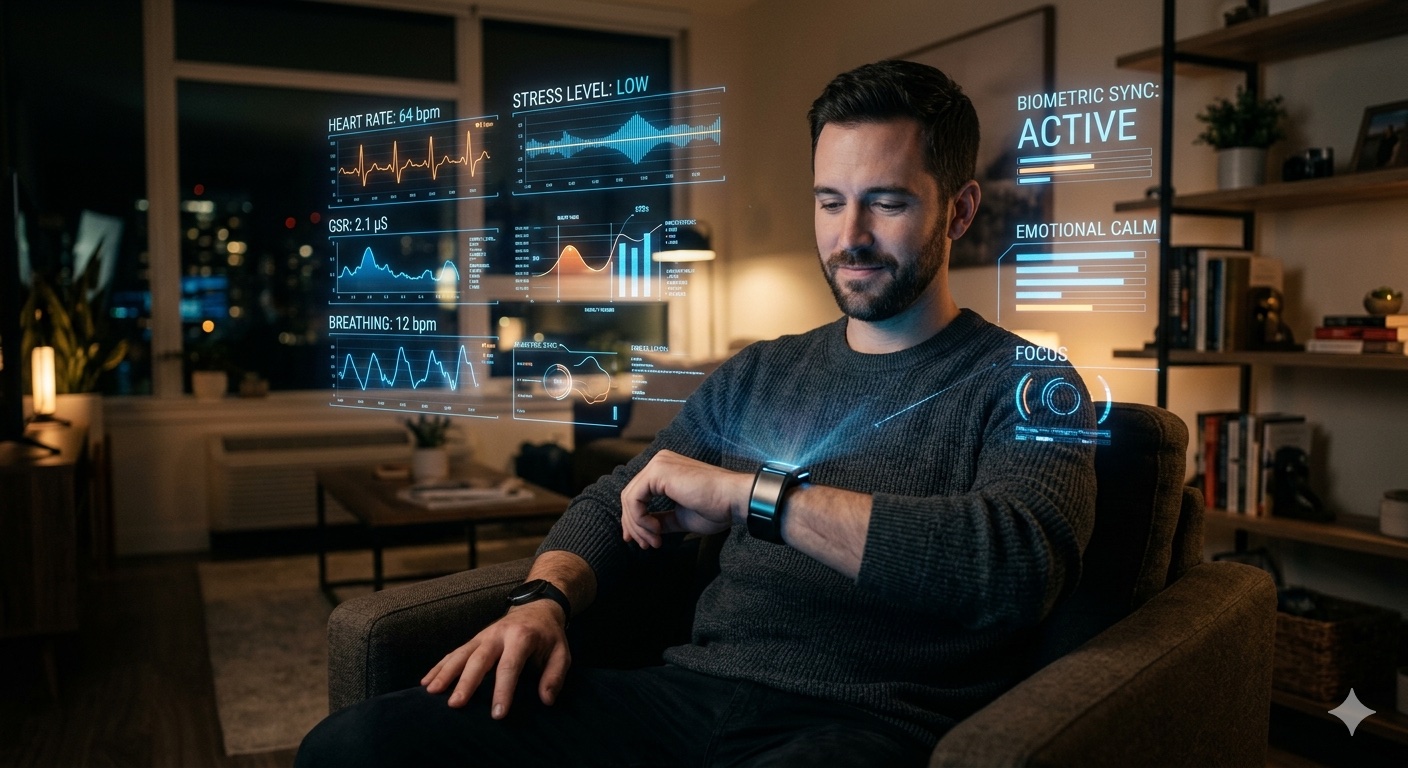
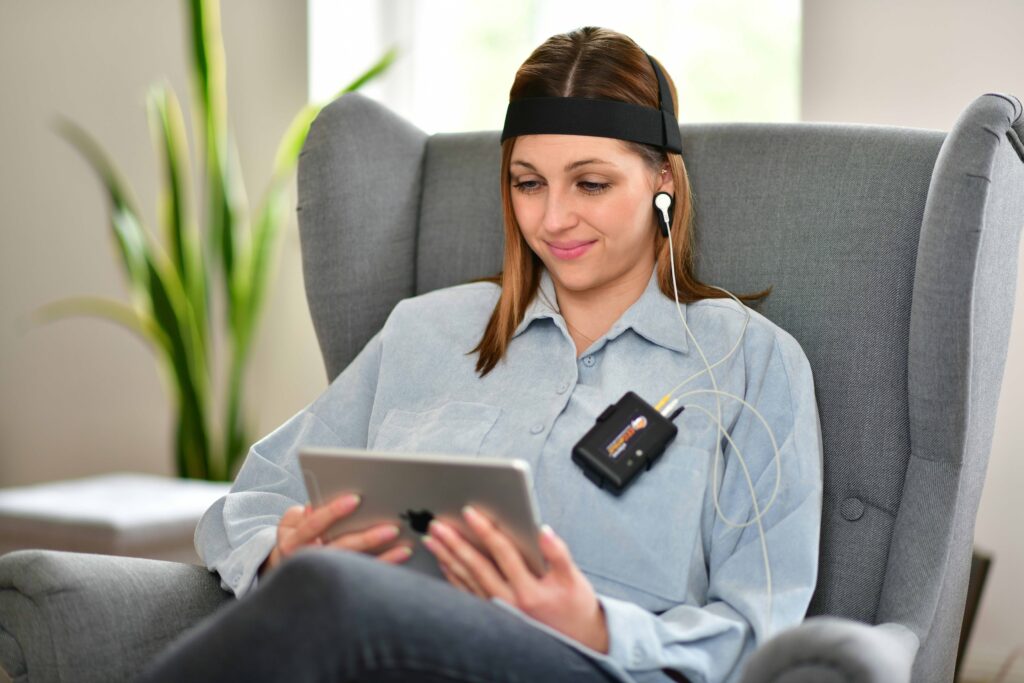
If it feels like everyone is suddenly talking about “calming the nervous system,” there’s a reason for it. In 2026, vagus nerve stimulation is moving from medical labs into everyday life through smart rings, wearable patches, earbuds, and even AI-powered breathing devices.
And unlike many wellness trends that disappear after six months, this one is backed by decades of neuroscience research.
But here’s the interesting part: people aren’t just buying these devices to relax anymore. They’re using them to improve sleep, lower anxiety, recover faster from stress, and even sharpen focus during work.
So what exactly is vagus nerve stimulation? And why are companies racing to build the next breakthrough stress wearable?
What Is the Vagus Nerve?
The vagus nerve is one of the most important nerves in the human body. It connects your brain to major organs including your heart, lungs, and digestive system.
Think of it like a biological communication highway.
When your body feels stressed, overwhelmed, or anxious, your nervous system shifts into “fight or flight” mode. Your heart rate rises. Breathing gets shallow. Muscles tighten.
The vagus nerve helps do the opposite.
It activates the “rest and digest” system that tells your body:
- You’re safe
- Slow the heart rate
- Relax the muscles
- Calm the mind
This process is called nervous system regulation, and it’s becoming one of the hottest topics in both health tech and mental wellness.
According to the U.S. National Institutes of Health, clinical vagus nerve stimulation has already been used for years in treating epilepsy and depression. Researchers are now exploring broader uses for stress management, inflammation, PTSD, and sleep disorders.
Why Stress Wearables Are Suddenly Everywhere
Over the past year, stress wearables exploded across TikTok, Reddit, and YouTube wellness communities.
People are burned out.
Remote work blurred the line between home and office life. Notifications never stop. Sleep quality keeps dropping. According to the American Psychological Association, stress levels among younger adults remain significantly elevated post-pandemic.
That created the perfect environment for a new category: wearable nervous system tech.
Devices now claim they can help regulate stress using:
- gentle electrical pulses
- breathing guidance
- sound frequencies
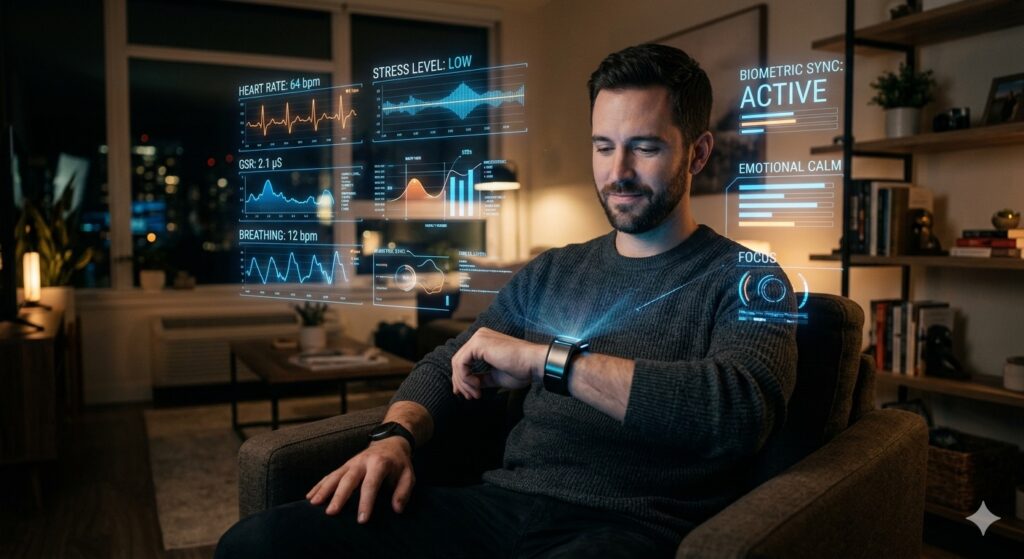
- biofeedback
- brainwave entrainment
Some companies market these products as “meditation for people who can’t meditate.”
And honestly, that message resonates with a lot of Americans.
So… Does Vagus Nerve Stimulation Actually Work?
Here’s where things get nuanced.
The science behind the vagus nerve itself is very real. Researchers have repeatedly observed links between vagal activity and emotional regulation, heart rate variability (HRV), and stress resilience.
But consumer devices are still evolving.
Some clinical studies suggest that non-invasive vagus nerve stimulation may help reduce anxiety and improve mood in certain groups. However, results vary depending on the device, stimulation method, and individual biology.
In other words:
- The neuroscience is promising
- The wearable market is growing fast
- But not every gadget delivers the same results
That distinction matters.
On Reddit communities like r/Biohackers and r/Nootropics, users frequently report mixed experiences. Some describe noticeable calmness within minutes. Others say the effects feel subtle or inconsistent.
One highly upvoted comment compared it to “physical therapy for your stress response.” That’s probably a more realistic expectation than miracle-level transformation.
The Rise of Neurowellness
A few years ago, fitness trackers focused mostly on steps and calories.
Now the conversation is shifting toward neurowellness — technology designed to improve mental recovery, emotional balance, and cognitive performance.
That’s a huge cultural shift.
Instead of asking:
“How many calories did I burn?”
People are asking:
“How stressed is my nervous system right now?”This is why companies are investing heavily in:
- HRV tracking
- guided breathing systems
- sleep optimization
- brainwave entrainment audio
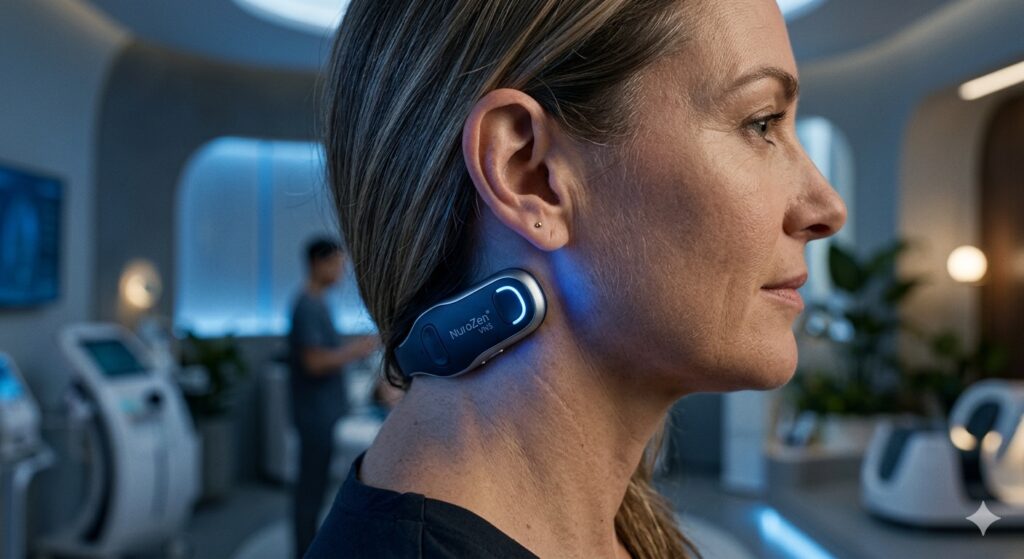
- vagus nerve stimulation wearables
Even CES 2026 featured multiple startups focused specifically on nervous system technology and emotional regulation tools.
The wearable industry clearly believes mental recovery is the next billion-dollar market.
What Is Brainwave Entrainment?
You’ve probably seen this term appear beside vagus nerve stimulation online.
Brainwave entrainment refers to audio patterns designed to influence mental states using rhythmic sound frequencies.
For example:
- slower frequencies may encourage relaxation
- faster rhythms may support focus or alertness
Some stress wearables combine brainwave entrainment with breathing exercises and vagus nerve stimulation to create a full “calm system.”
The evidence here is still developing.
Some small studies suggest certain sound patterns may help with relaxation and sleep quality. But researchers also caution that marketing claims sometimes move faster than the science.
That’s important to remember anytime a wellness product promises dramatic life changes.
Why Americans Are So Interested Right Now
Part of this trend is scientific.
But part of it is emotional.
People want relief that feels immediate and physical.
Meditation apps require patience. Therapy can take months. Lifestyle changes are difficult. But wearable tech offers something tangible: a device you can hold, wear, and interact with instantly.
That psychological effect matters more than many companies admit.
There’s also a growing distrust of endless phone scrolling as a solution for stress. Ironically, many consumers now want technology that helps them disconnect from technology.
That contradiction is driving the entire neurowellness market.
Question is: Are These Devices Worth Buying?
That depends on expectations.
If someone expects a wearable to completely erase anxiety or replace professional medical care, disappointment is likely.
But if the goal is:
- better awareness of stress
- guided relaxation
- improved breathing habits
- mindfulness support
- sleep routine improvement
…then some users may genuinely benefit.
The strongest evidence still supports basic nervous system regulation habits:
- quality sleep
- exercise
- deep breathing
- social connection
- reduced chronic stress exposure
Technology may help support those behaviors. It probably can’t replace them entirely.
Final Thoughts
Vagus nerve stimulation sits at the intersection of neuroscience, wellness culture, and wearable technology.
That’s exactly why it’s attracting so much attention right now.
The science is legitimate enough to spark serious interest. But the market hype sometimes moves ahead of what research can fully confirm.
Still, one thing is clear: Americans are increasingly looking for tools that help them feel calmer, sleep better, and regain control over chronic stress.
And in a world that constantly demands attention, that desire isn’t going away anytime soon.
References & Sources
- National Institutes of Health (NIH) – Vagus Nerve Stimulation Research
- American Psychological Association – Stress in America Reports
- Cleveland Clinic – Vagus Nerve Overview
- Harvard Health Publishing – Understanding the Nervous System and Stress
- Reddit discussions from communities including r/Biohackers and r/Nootropics were reviewed for anecdotal consumer sentiment.
Disclaimer: This content is for informational purposes only and is not intended as medical advice, diagnosis, or treatment. Always seek the advice of a qualified healthcare provider with any questions you may have regarding a medical condition.