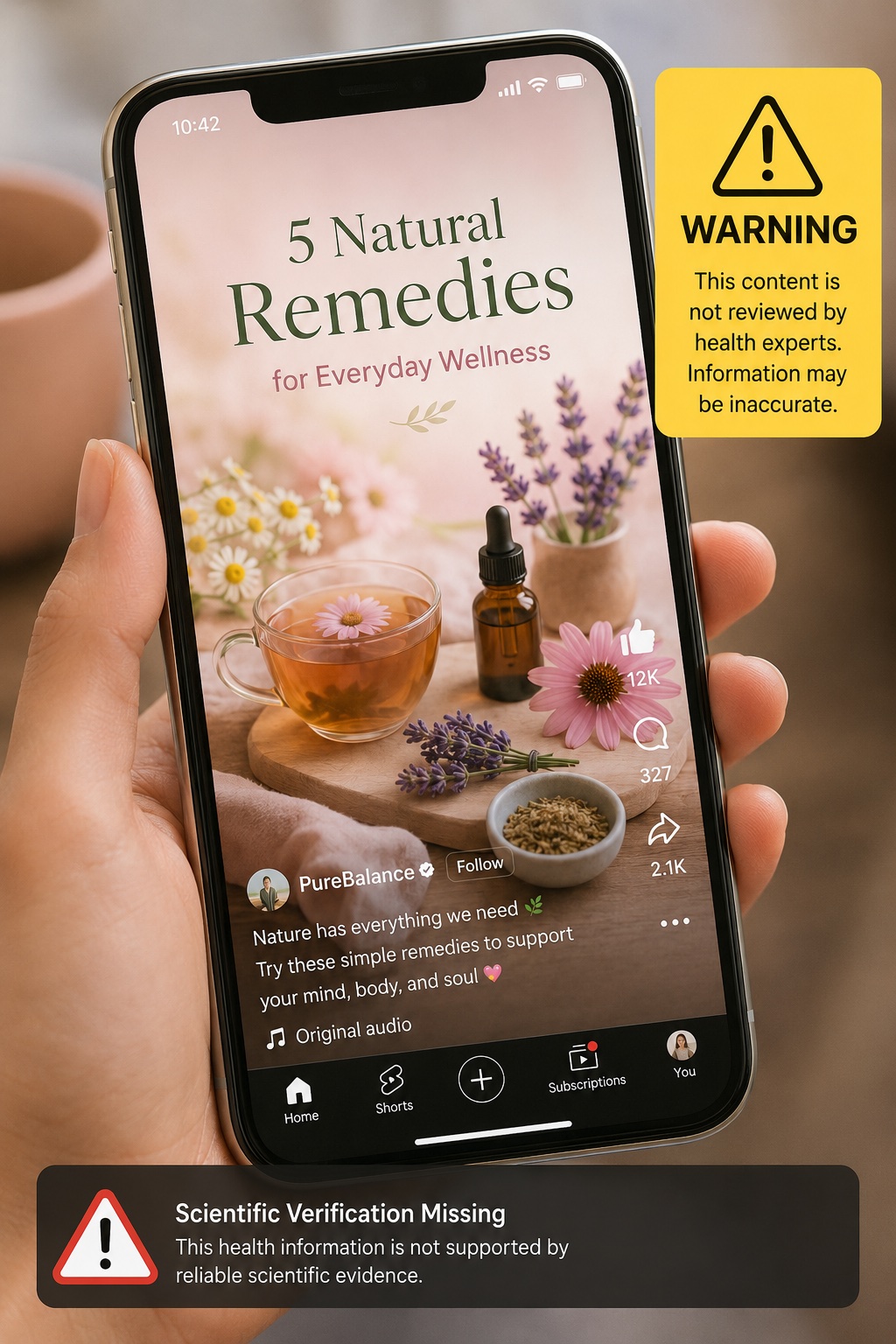
To protect your physical and financial well-being from predatory digital trends,
you must learn to recognize the algorithmic manipulation, lack of scientific evidence, and commercial motives hidden behind viral wellness content.
The Cost of Blind Trust
Scrolling through TikTok or Instagram can feel like an innocent way to discover new lifestyle hacks. However, shifting your trust from certified professionals to charismatic influencers can carry deadly real-world consequences.
What exactly happens when an entire community decides to substitute medical science with viral trends?
According to the CDC, the United States suffered a massive surge of 2,288 confirmed measles cases in 2025, compared to just 285 cases in 2024.
This staggering 4.5-fold increase was directly fueled by vaccine hesitancy and health misinformation spreading unchecked across digital platforms.
When aesthetic feeds replace proven public health protocols, preventable diseases find a second life.
Red Flag 1: The “Miracle Cure” for Everyday Fatigue
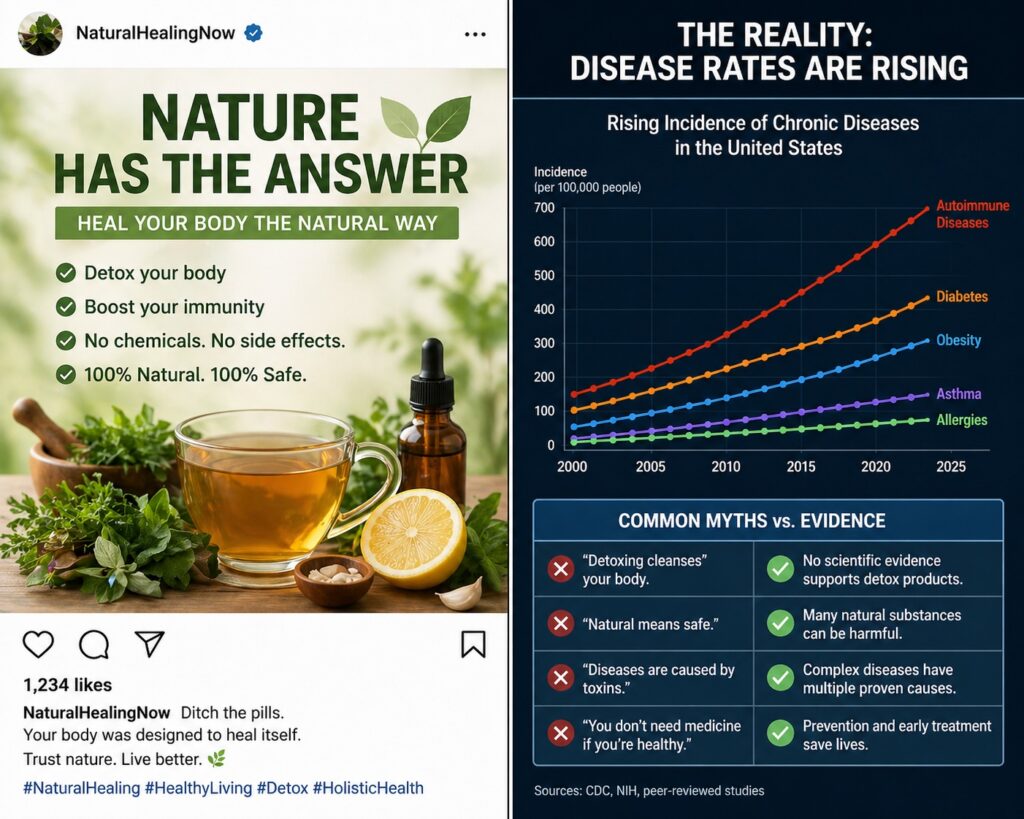
Many influencers claim to have found a single, simple solution for complex conditions like chronic fatigue or “cortisol toxicity.” They offer extreme protocols like sudden ice baths, complete fasting, or unverified peptide supplements.
But if these solutions are truly revolutionary, why hasn’t mainstream science adopted them yet?
The reality is that your body relies on a delicate hormonal balance that extreme biohacking can severely disrupt.
Experts warn that sudden, drastic dietary or lifestyle interventions can lead to circulatory shock, severe sleep disorders, and long-term metabolic damage.
True health breakthroughs require rigorous clinical trials, not a 60-second video clip.
Red Flag 2: Extreme Practices Disguised as “Hacks”
Viral challenges often push viewers to engage in outright dangerous physical behaviors for the sake of aesthetics. For instance, the recent “dry scooping” trend involves swallowing highly concentrated pre-workout powders without water.
Why would anyone risk their respiratory health just to replicate a gym influencer’s routine?
Without liquid dilution, these concentrated stimulant powders can be accidentally aspirated into the lungs, causing acute airway inflammation or even pneumonia.
Furthermore, the sudden flood of caffeine can cause severe cardiac spikes, leading to documented cases of heart attacks in otherwise healthy young adults.
Red Flag 3: Aesthetic Packaging Over Evidence
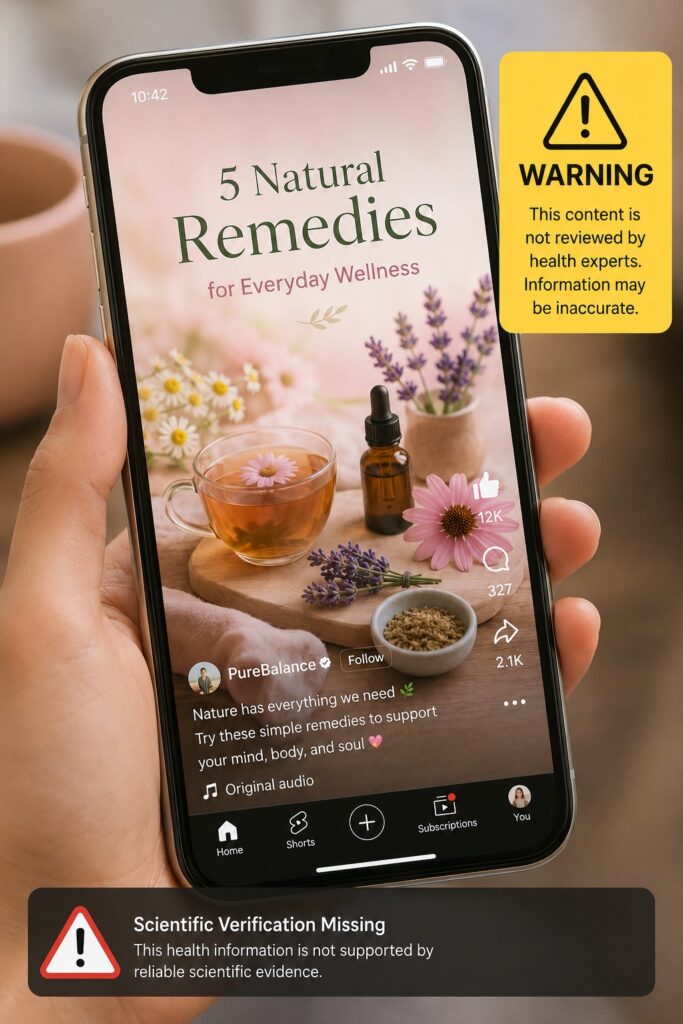
Many modern health myths do not look like old-fashioned scams; instead, they are wrapped in beautiful, minimalist “SkinnyTok” or “Clean Girl” aesthetics.
Viewers naturally assume that someone with a flawless complexion and an upscale kitchen must know how to optimize human biology. However, visual perfection does not translate to scientific validity.
Addressing the Skeptics: Is Mainstream Medicine the Problem?
At this point, you might wonder: “If the medical system actually listened to my daily fatigue or gut issues instead of dismissing them, why shouldn’t I trust these online creators?”
This is a valid frustration, as evidence-based medicine has historically underinvested in researching mundane, day-to-day wellness optimizations.
Yet, turning to unregulated influencers who profit off your vulnerabilities is not the answer. While a doctor might honestly tell you “there is no clear data yet,” a predatory influencer will gladly sell you a $100 unverified supplement package.
Ceding your health to charlatans just because the medical system is slow only maximizes your personal risk.
Red Flag 4: Promoting Raw and Unpasteurized Alternatives
The ongoing obsession with drinking raw milk is a prime example of social media ceding ground to dangerous trends.
Influencers praise unpasteurized milk for containing “native enzymes” and superior nutrients. But what are they intentionally omitting from their viral videos?
They fail to mention that raw milk bypasses the exact pasteurization process designed to kill deadly pathogens like Salmonella, E. coli, and Listeria.
Drinking it can lead to severe foodborne illnesses, hospitalization, and long-term kidney complications.
Red Flag 5: Denying Basic Dermatological Science
Another alarming trend is the “food as sunscreen” myth, which claims eating specific fruits can protect your skin from UV radiation. Some users even participate in “sunburn tattooing,” purposely burning their skin around stencils to create patterns.
Are these creators aware of the permanent mutations they are inducing?
Dermatologists warn that severe sunburns significantly multiply your long-term risk of developing melanoma and other skin cancers.
No amount of dietary antioxidants can substitute for physical or chemical UV blockades.
Red Flag 6: Drastic Structural Alterations
The trend known as “bone-smashing” involves individuals striking their own faces with blunt objects to create microfractures, believing it will sharpen their jawline. They rely on a flawed interpretation of Wolff’s Law, which states bones adapt to stress.
But what actually happens when you fracture your facial skeleton?
Instead of an attractive jawline, practitioners frequently suffer from permanent facial deformities, nerve damage, and chronic structural injuries.
This extreme behavior showcases how deeply social media dysmorphia can distort rational thinking.
Red Flag 7: The Lack of Transparent Disclaimers
A comprehensive review published in BMJ Evidence-Based Medicine analyzed health-related posts across TikTok and Instagram.
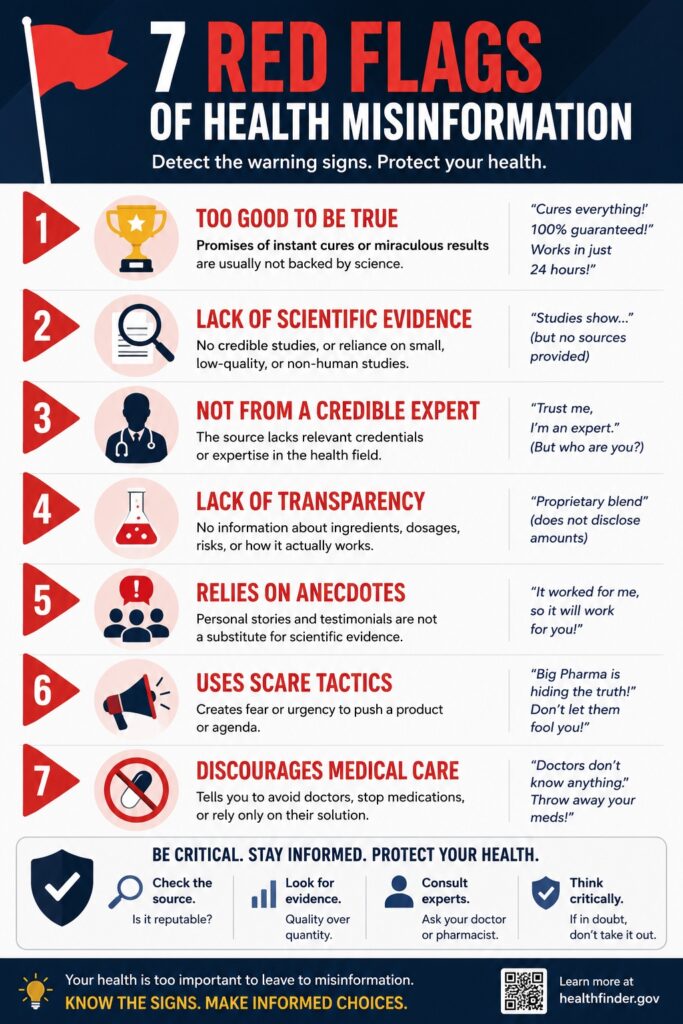
The researchers discovered that the overwhelming majority of these viral posts completely omitted potential risks, side effects, or commercial conflicts of interest.
If a creator presents zero risks for a medical intervention, they are gaslighting you for engagement metrics.
Sources:
- PAHO/WHO (2025): “Ten countries in the Americas report measles outbreaks in 2025”
- BMJ Evidence-Based Medicine (2026): “Addressing misleading medical information on social media: a scoping review of current interventions”
- American Lung Association (2026): “Popular TikTok Trends to Avoid: The Dangers of Viral Wellness”
Disclaimer: This content is for informational purposes only and is not intended as medical advice, diagnosis, or treatment. Always seek the advice of a qualified healthcare provider with any questions you may have regarding a medical condition.