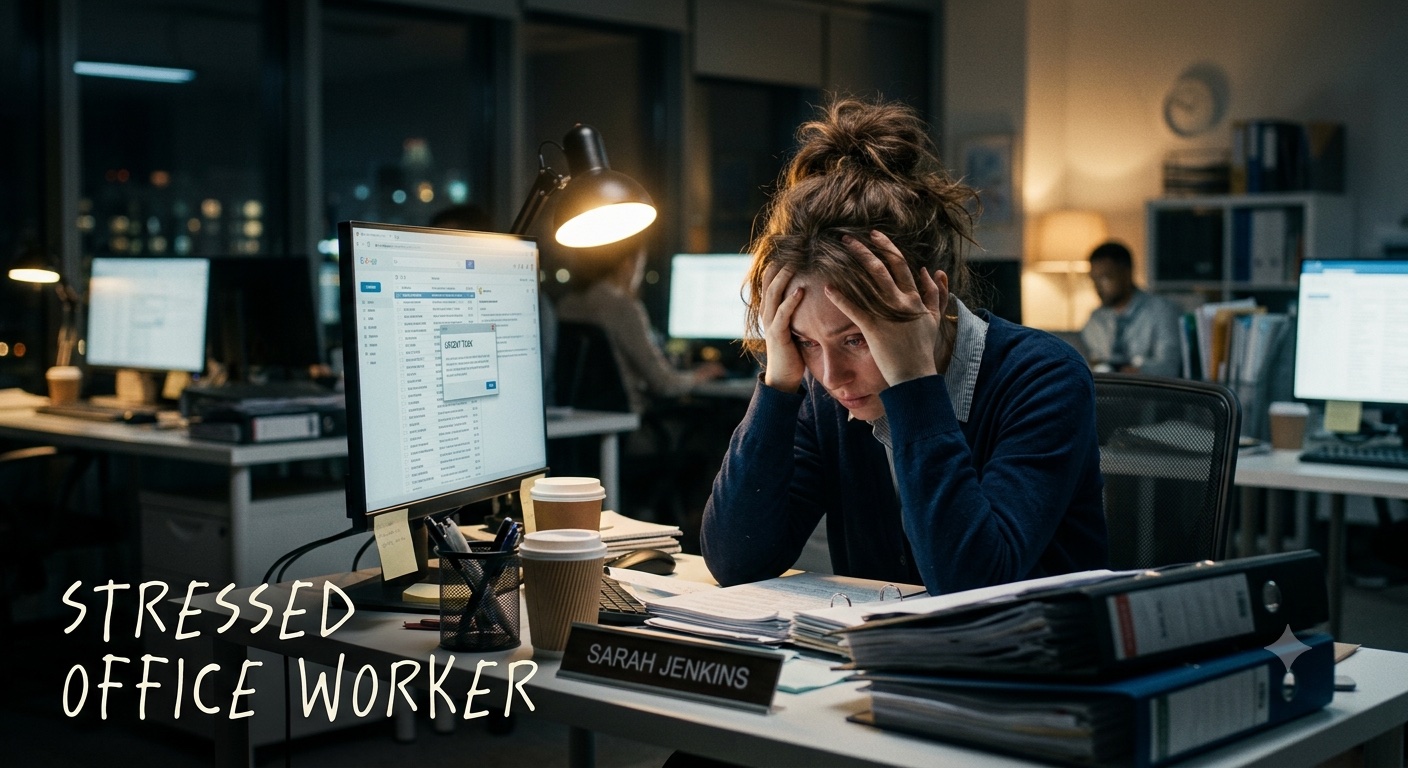

Remember a few years ago when every company suddenly started talking about “mental wellness”? Free meditation app subscriptions, “wellness Wednesdays,” maybe even a yoga class squeezed into the lunch break? It felt like a big deal at the time — like companies were finally admitting that work stress is a real health issue, not just something you’re supposed to tough out.
Well, fast forward to 2026, and a lot of that stuff is quietly disappearing. Not with a big announcement. Not with a press release saying “we no longer care about your mental health.” Just… one line item at a time, cut from the budget while nobody’s really watching.
This is what people are now calling the Great Wellness Rollback — and it’s becoming one of the defining labor trends of 2026.
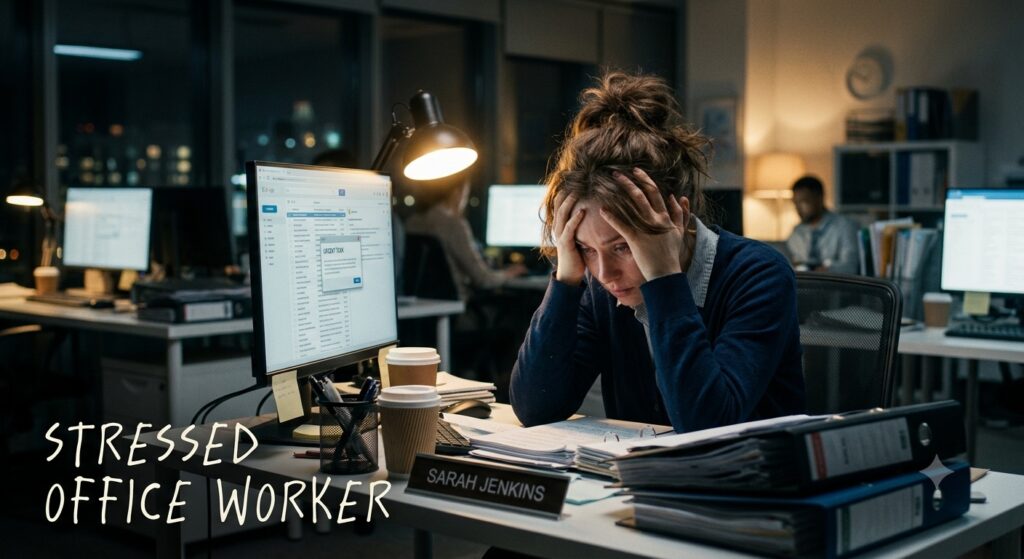
Wait, Didn’t Companies Just Start Taking This Seriously?
Yeah, that’s the confusing part. For the last few years, basically every survey said the same thing: mental health at work matters more than ever. Employers seemed to agree — over 90% of U.S. companies say they now offer some kind of mental health coverage in their medical plans according to SHRM.
But here’s the twist: saying you “offer” mental health benefits and actually funding real support are two very different things. According to data from workplace finance platform Ramp, spending on workplace wellness programs dropped about 20% per employee between 2023 and 2025, falling from $1,366 to $1,103 per employee. That’s not a small dip. That’s a real, measurable retreat.
And the reasons companies give for these cuts usually sound reasonable on paper: healthcare costs are climbing, budgets are tight, and wellness programs can look like an easy place to trim. As one industry report put it, when costs start rising and organizations want to cut back, wellness programs are often the “low hanging fruit” — meaning they get chopped first because employees supposedly won’t notice, or won’t push back too hard.
Except… people ARE noticing. And they’re not staying quiet about it.
The SAMHSA Guidelines Say the Opposite Direction Is the Right One
Here’s where it gets a little ironic. While companies are cutting mental wellness spending, the U.S. federal government keeps pushing in the exact opposite direction.
SAMHSA (that’s the Substance Abuse and Mental Health Services Administration — basically the U.S. government’s main mental health agency) has long recommended that employers set up real, functioning Employee Assistance Programs (EAPs). These aren’t meditation apps — they’re confidential counseling and referral services meant to actually help someone dealing with a mental health crisis or substance use issue get real support, not just a wellness quiz.
On top of that, the U.S. Surgeon General released a full framework on workplace mental health, built around five “essentials” — starting with Protection from Harm, which is about making sure work itself isn’t the thing damaging people’s health in the first place (safety, security, and freedom from things like excessive workload and harassment). That’s a pretty direct hint that the problem isn’t a lack of self-care apps — it’s the actual conditions of the job.
So you’ve got federal health experts saying “build real support systems and fix harmful work conditions,” while at the same time, a lot of employers are doing the opposite: trimming the wellness budget and hoping nobody does the math.
What People Online Are Actually Saying About This
This is where things get real. On communities like r/antiwork and r/jobs, this topic hits a nerve every single time it comes up. The recurring theme in these discussions isn’t “companies should spend more money on wellness apps.” It’s something much simpler and honestly harder for companies to hear:
Giving someone a free meditation app subscription doesn’t fix burnout if their actual workload never changes.
Workers keep pointing out the obvious mismatch: if your job schedules back-to-back meetings from 9am to 6pm with no breathing room, a 10-minute guided meditation clip isn’t going to undo that. If your team just lost three people to layoffs but the workload stayed exactly the same, “wellness Wednesday” isn’t solving anything — it’s a band-aid on a much bigger wound. This sentiment lines up with what workplace researchers themselves have started admitting: burnout, as defined even by the World Health Organization, is fundamentally an occupational problem caused by chronic workplace stress that has not been successfully managed — not a personal failure to relax enough.
Even people who work in the wellness industry are saying it now. Reviewers covering burnout-focused apps and tools openly admit: if burnout is caused by overwork, no app alone is going to fix that — the most effective interventions combine individual coping tools with actual structural changes to workload, autonomy, and workplace culture. In other words: the internet’s skepticism isn’t just internet cynicism. It’s backed up by the same experts companies claim to be listening to.
So Who’s Actually Responsible Here?
(Employer Accountability, 2026 Edition)
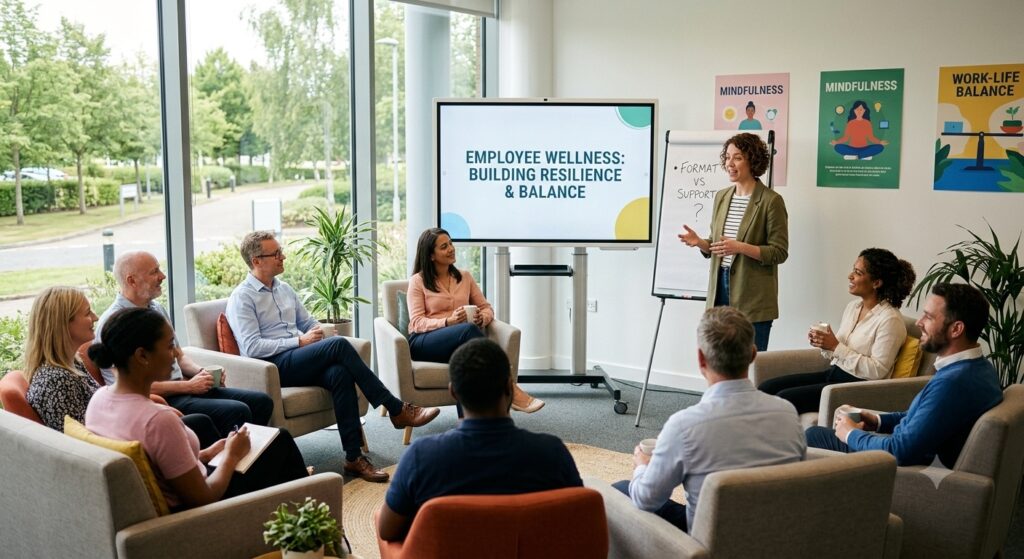
This is really the heart of the issue: employer accountability. It’s easy for a company to point to a benefits brochure and say “look, we care about mental health.” It’s much harder to actually change how workloads are distributed, how many people are on a team, or how realistic deadlines are.
A recent industry survey backs this up in an interesting way. The 2026 NAMI/Ipsos Workplace Mental Health Poll found that employees don’t really separate “mental health culture” from day-to-day management. In fact, 84% of employees point to their direct supervisors as responsible for workplace mental health culture, 83% point to HR, and 75% point to senior leadership. That means people are judging their employer’s real commitment not by what’s written in the benefits packet, but by how they’re actually treated day to day — whether their manager respects their time off, whether workloads are realistic, whether asking for help is met with support or judgment.
There’s also a legal side worth knowing about, especially in the U.S. Under laws like the Mental Health Parity and Addiction Equity Act (MHPAEA), health plans that cover mental health can’t impose stricter limits on those benefits than they do for regular medical care — meaning companies can’t quietly make mental health coverage harder to access than physical health coverage. The Department of Labor has also made parity enforcement a bigger 2026 priority, meaning employers are expected to face more scrutiny over whether their mental health benefits are genuinely equal in practice, not just on paper.
So What Would “Real” Support Actually Look Like?
Based on everything above — government guidance, worker feedback, and even wellness industry insiders — the pattern is pretty consistent. Real support isn’t about adding more apps or more “wellness content.” It’s about:
- Actually adjusting workloads when a team is understaffed, instead of expecting the same output from fewer people
- Making EAPs and counseling genuinely accessible — not buried in a PDF nobody reads during onboarding
- Training managers, since employees clearly see day-to-day management as the biggest factor in whether they feel supported
- Being transparent when programs are being cut, instead of quietly letting them expire and hoping nobody notices
None of this is radical. It’s honestly just… doing the thing companies already said they’d do a few years ago, before budgets got tight and wellness became an easy line to cross off the spreadsheet.
The Bottom Line
The Great Wellness Rollback isn’t really a story about apps disappearing. It’s a story about what happens when “mental health support” becomes a marketing checkbox instead of an actual commitment. Workers have been remarkably clear about what they want, and it’s not complicated: less performative wellness, more realistic workloads, and leaders who are actually accountable for the culture they create — not just the benefits they advertise.
Whether companies listen in 2026… that’s the part we’ll all be watching.
References
- Paychex – 9 Employee Benefits Trends for 2026: https://www.paychex.com/articles/employee-benefits/employee-benefits-trends
- Yahoo Finance – Workplace Mental Health and the Business Case for Investing in Wellness Programs (Ramp data on 20% wellness spending drop): https://finance.yahoo.com/economy/policy/articles/workplace-mental-health-business-case-144500103.html
- SAMHSA – Behavioral Health Workforce / EAP guidance: https://nationalworkforcescreenings.com/samhsa.html
- U.S. Department of Labor – Mental Health at Work (MHPAEA parity law): https://www.dol.gov/general/mental-health-at-work
- U.S. Surgeon General’s Framework for Workplace Mental Health & Well-Being (HHS): https://www.hhs.gov/sites/default/files/workplace-mental-health-well-being.pdf
- Bentonoakfield – 2026 NAMI/Ipsos Workplace Mental Health Poll coverage: https://bentonoakfield.com/blog/mental-health-benefits-now-drive-retention-2026-employer-priorities/
- Anticipate App – 8 Best Burnout Recovery & Prevention Apps (2026): https://helloanticipate.com/blog/best-burnout-recovery-prevention-apps/
- SHRM – Toolkit: Creating a Mental-Health-Friendly Workplace: https://www.shrm.org/topics-tools/tools/toolkits/mental-health-friendly-workplace
Disclaimer: This content is for informational purposes only and is not intended as medical advice, diagnosis, or treatment. Always seek the advice of a qualified healthcare provider with any questions you may have regarding a medical condition.