
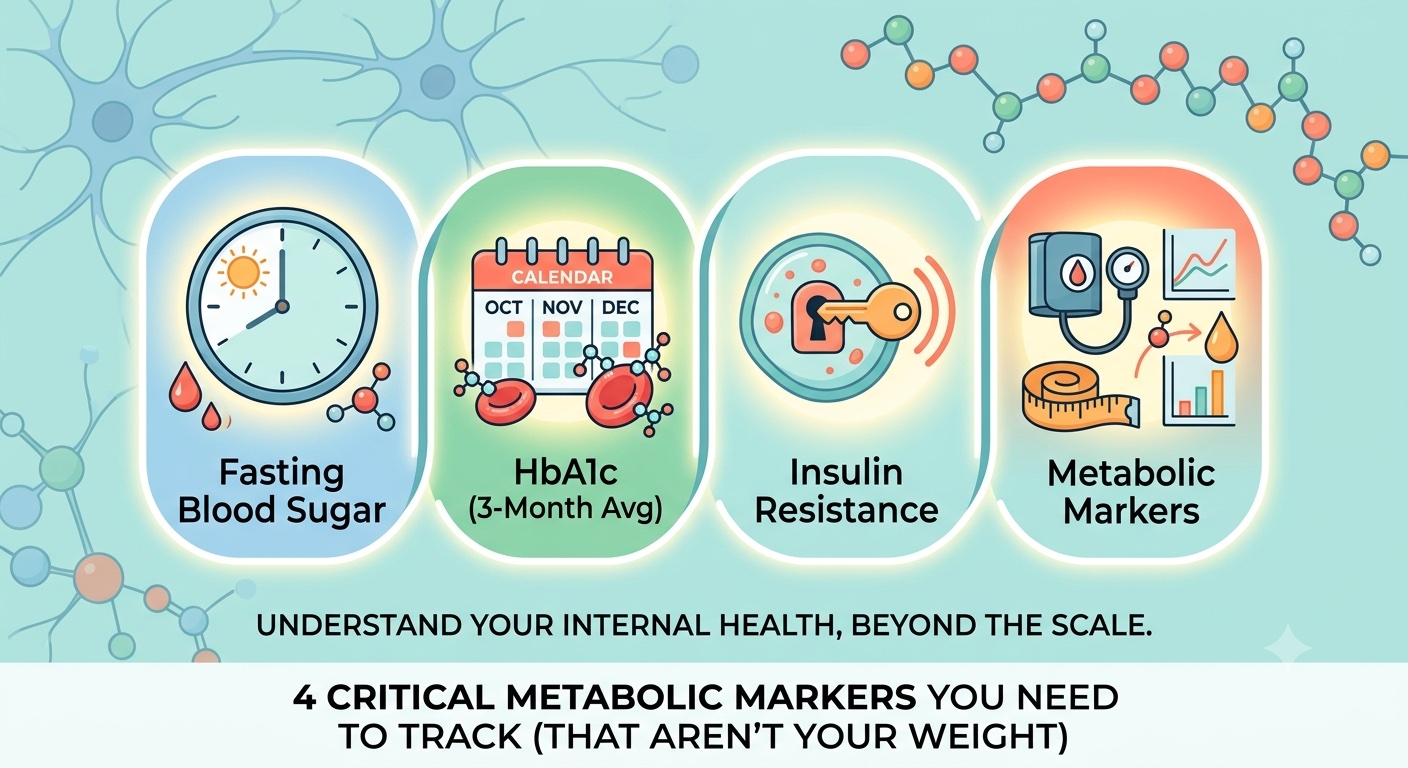
True wellness isn’t determined by the number on your bathroom scale, but by the invisible chemical markers defining your metabolic health.
Have you ever stepped off the scale feeling absolutely crushed because the number didn’t budge? You cut out carbs, spent hours on the treadmill, and skipped dessert, yet that cold digital screen refuses to validate your hard work.
But what if the scale is actually lying to you about your true progress?
Across health communities on Reddit and TikTok, a major paradigm shift is happening right now. People are realizing that you can look perfectly lean on the outside while being a ticking time bomb on the inside.
The secret lies in understanding your Metabolic Health. Let’s break down exactly why your weight is the least interesting thing about your body, and look at the four real numbers you should be tracking instead.
The Big Illusion: Why the Scale is Cheating You
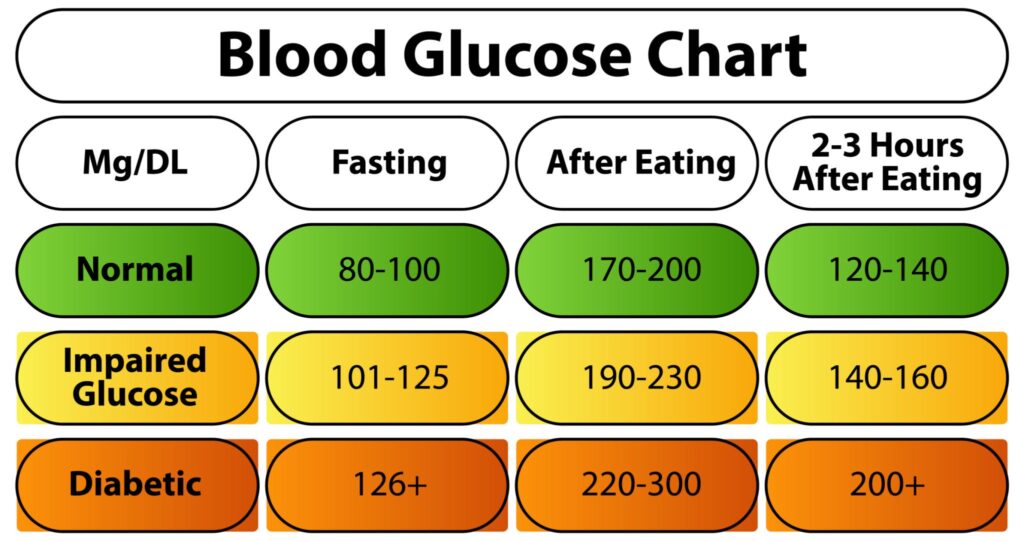
Illustration of blood glucose levels and categories
For decades, we’ve been told that weight loss is the ultimate gold standard of getting healthy. If the number goes down, you win; if it stays up, you fail.
This narrow focus has created a massive blind spot. Recent data reveals that a staggering number of normal-weight individuals still suffer from severe internal health dysfunction.
According to a landmark study published by the University of North Carolina at Chapel Hill, only about 12% of American adults are considered optimally healthy under the surface. That means nearly 88% of the population carries at least one broken metabolic link, regardless of how thin they look in a mirror.
So, if stepping on the scale doesn’t tell the whole story, what does? To find out how your body is truly processing energy, you have to peel back the layers and look at specific blood markers.
Marker 1: Fasting Blood Sugar (The Daily Baseline)
Your Fasting Blood Sugar is the amount of sugar floating around in your bloodstream after you haven’t eaten for at least eight hours. Think of it as a daily snapshot of how your body manages energy when the kitchen is closed.
When you wake up, your body releases a small wave of hormones to give you energy. If your internal system is working smoothly, your pancreas produces just enough insulin to keep this morning energy surge stable.
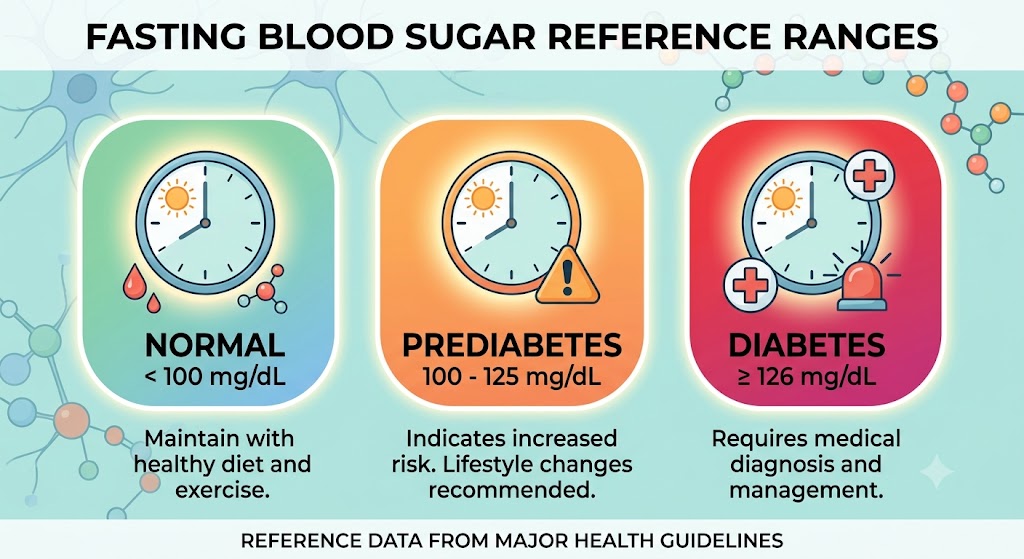
But here is where many people get caught off guard. You might have a great fasting number on Monday, but that single morning test doesn’t show the massive roller coaster your body rides during the rest of the week.
Marker 2: HbA1c Levels (The 3-Month Moving Average)
If fasting glucose is a single snapshot, your HbA1c levels are the three-month cinematic movie. This test measures the percentage of your red blood cells that have become coated with sugar over their 120-day lifespan.
Because red blood cells live for about three months, checking your HbA1c gives your doctor a highly accurate picture of your average Blood Sugar Levels over time. It prevents you from “cheating” the test by eating clean for just a day or two before your blood draw.
- Normal: Below 5.7%
- Prediabetes: 5.7% to 6.4%
- Diabetes: 6.5% or higher
"But I feel completely fine, and my energy is stable. Why should I care about a minor bump in my three-month average?"
This is the exact trap that leaves millions exposed. High sugar levels quietly damage tiny blood vessels in your eyes, kidneys, and heart long before you ever experience a single physical symptom.
Marker 3: Insulin Resistance (The Hidden Root Cause)
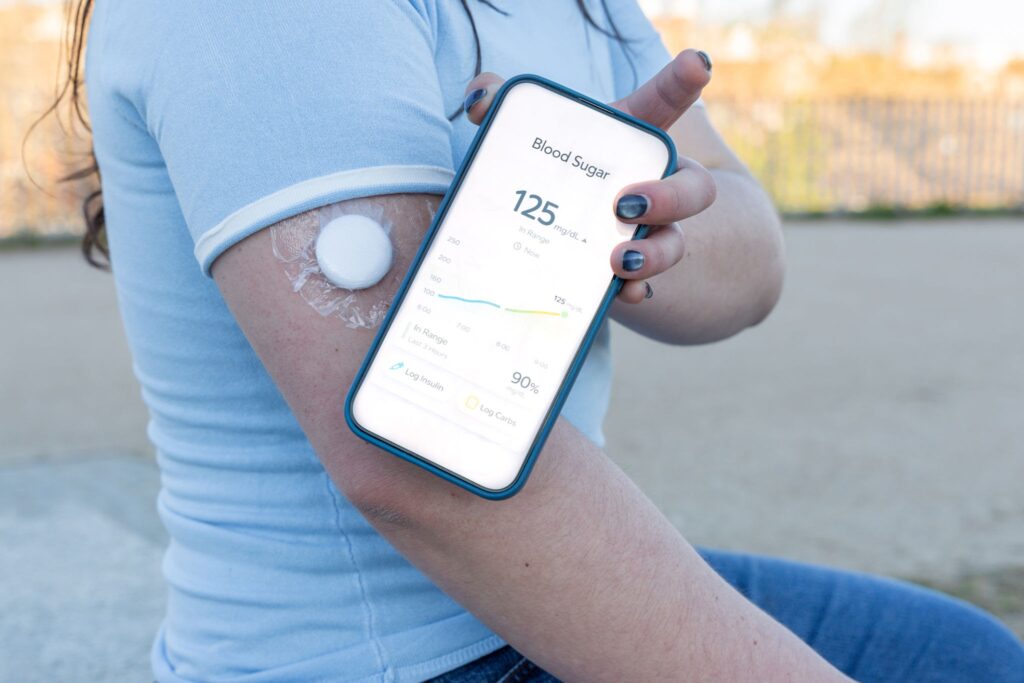
Young woman checking blood sugar levels on a smartphone app connected to a continuous glucose monitor
Imagine your body’s cells are locked doors, sugar is the guest trying to get in, and insulin is the key. Insulin Resistance happens when your cell doors get rusty, forcing your pancreas to create dozens of extra keys just to let a single guest inside.
This is the ultimate shadow metric because it usually spikes years before your glucose levels ever show a problem. Your pancreas working overtime can keep your blood sugar looking completely normal on standard tests, masking the internal strain.
When insulin stays chronically high to force sugar into resistant cells, it locks your body into a constant state of fat storage. This internal gridlock is why many people find it nearly impossible to lose weight, despite eating at a calorie deficit.
To find out if this is happening to you, ask your doctor for a fasting insulin test alongside your glucose panel to calculate your HOMA-IR score. If your score is greater than 1.9, your system is already showing early signs of resistance.
Marker 4: The Core Metabolic Syndrome Markers
Your body doesn’t experience health in a vacuum; different internal systems are deeply linked. To get a complete picture, medical professionals track a cluster of specific metrics known as Metabolic syndrome markers.
These markers include your blood pressure, waist circumference, HDL (“good”) cholesterol, and triglycerides. Having poor scores across three or more of these areas dramatically increases your long-term risk for cardiovascular issues and type 2 diabetes.
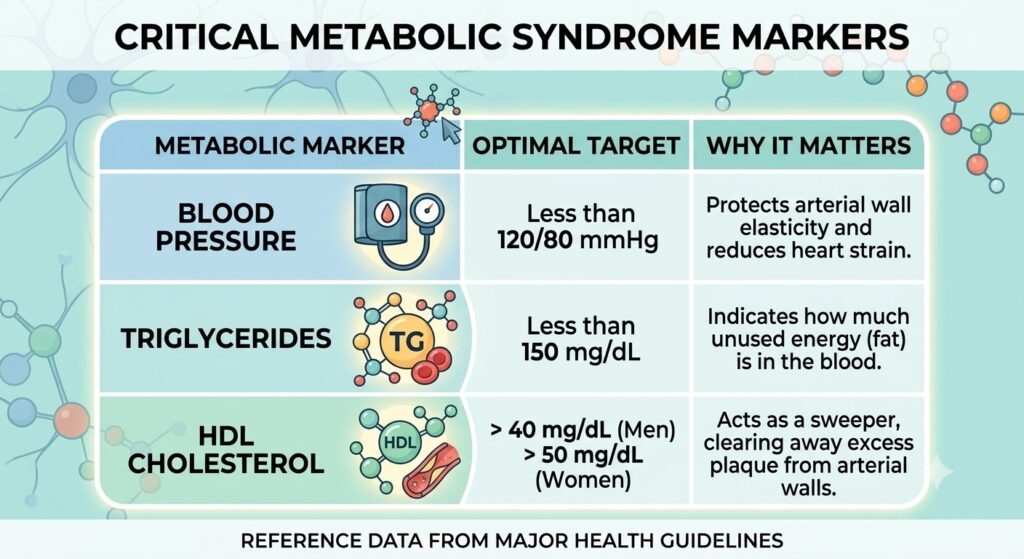
When your triglycerides are high and your HDL is low, it’s a classic sign that your body is struggling to clear out and process fats efficiently. Fixing this balance requires looking beyond simple calorie counting to focus on improving metabolic efficiency.
The Modern Tech Revolution: CGMs and GLP-1 Medications
This shift toward deeper tracking has sparked an absolute tech and pharmaceutical revolution in the global wellness space. Devices like the CGM (Continuous Glucose Monitor), once reserved exclusively for type 1 diabetics, are now worn by millions of health enthusiasts globally.
A CGM uses a tiny under-the-skin sensor to track your glucose levels in real time, broadcasting the data directly to your smartphone. Seeing exactly how a morning bowl of oatmeal or a stressful work meeting impacts your body removes all the guesswork from daily nutrition.
Simultaneously, the massive rise of GLP-1 medications (like Ozempic and Wegovy) has fundamentally rewritten our collective understanding of appetite and fat storage. These therapies don’t just force weight loss through willpower; they work by directly repairing broken metabolic pathways, sharpening insulin sensitivity, and slowing digestion.
Whether you choose to utilize modern technology or focus entirely on lifestyle changes, shifting your focus to these core numbers puts you back in the driver’s seat of your health.
References
- University of North Carolina at Chapel Hill Study on Metabolic Health: UNC Gillings School of Global Public Health
- American Heart Association (AHA) – Understanding Metabolic Syndrome: American Heart Association
- Centers for Disease Control and Prevention (CDC) – All About All-inclusive HbA1c: CDC Gov
Disclaimer: This content is for informational purposes only and is not intended as medical advice, diagnosis, or treatment. Always seek the advice of a qualified healthcare provider with any questions you may have regarding a medical condition.