
If you’ve scrolled through the news lately, you’ve probably seen headlines about a legionnaires disease NYC outbreak 2026 happening right on Manhattan’s Upper East Side. And if you’re like most people, your first reaction was probably: “Wait, is this from air conditioners? Should I be worried?”
Good news first: no, it’s not your window AC unit. But this story is actually a really good (and kind of fascinating) lesson in how bacteria, buildings, and summer heat can combine into something serious. Let’s break it all down in plain English — no scary medical jargon, promise.
Wait, What Even IS a Cooling Tower?
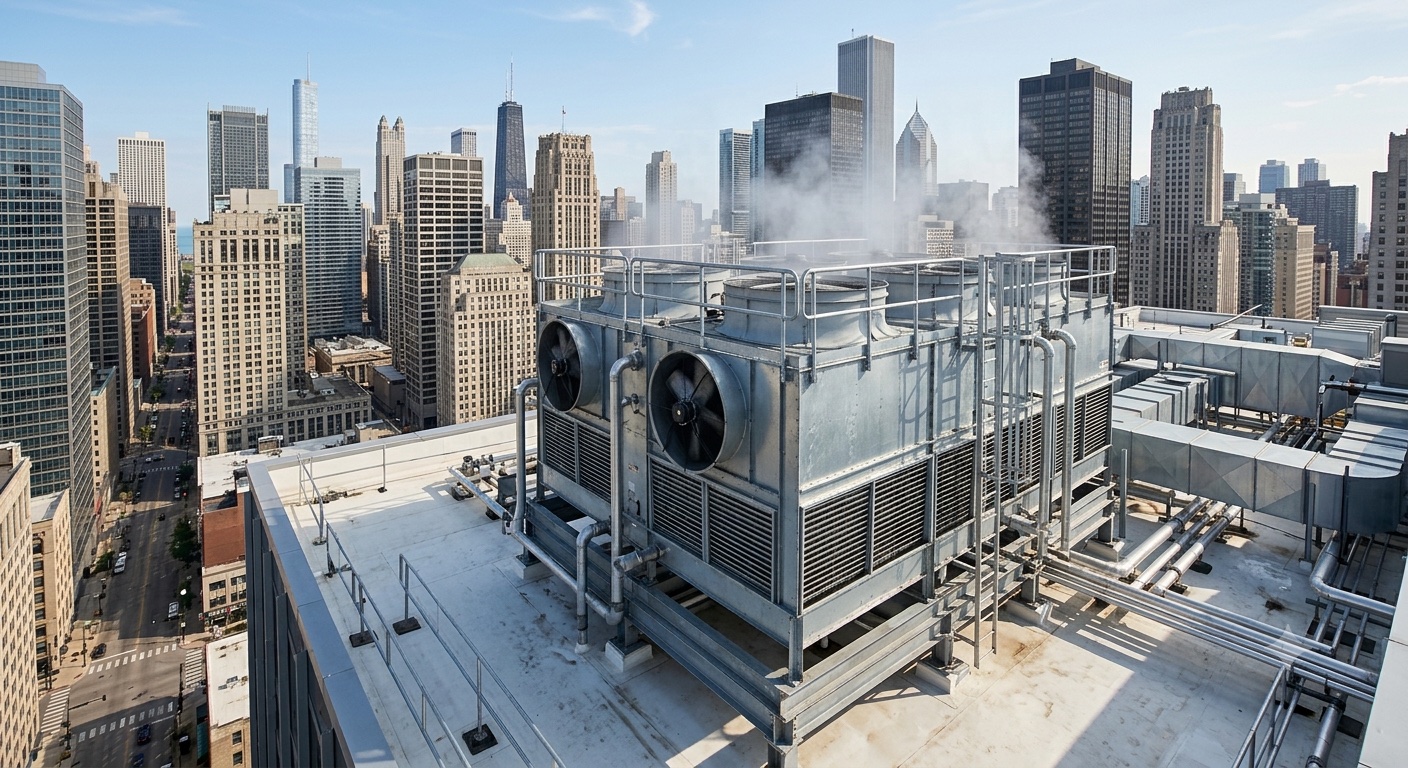
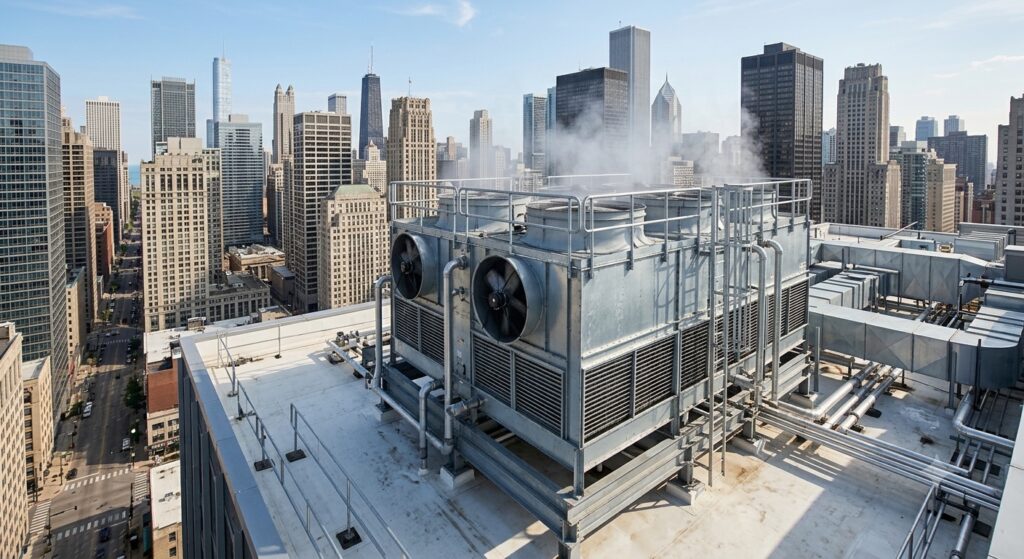
Big buildings — apartment complexes, hospitals, office towers — don’t cool down with a regular AC unit like your bedroom. Instead, they use giant machines on the roof called cooling towers. Think of them as huge fans combined with water systems that pull heat out of a building and release it into the air as a fine mist.
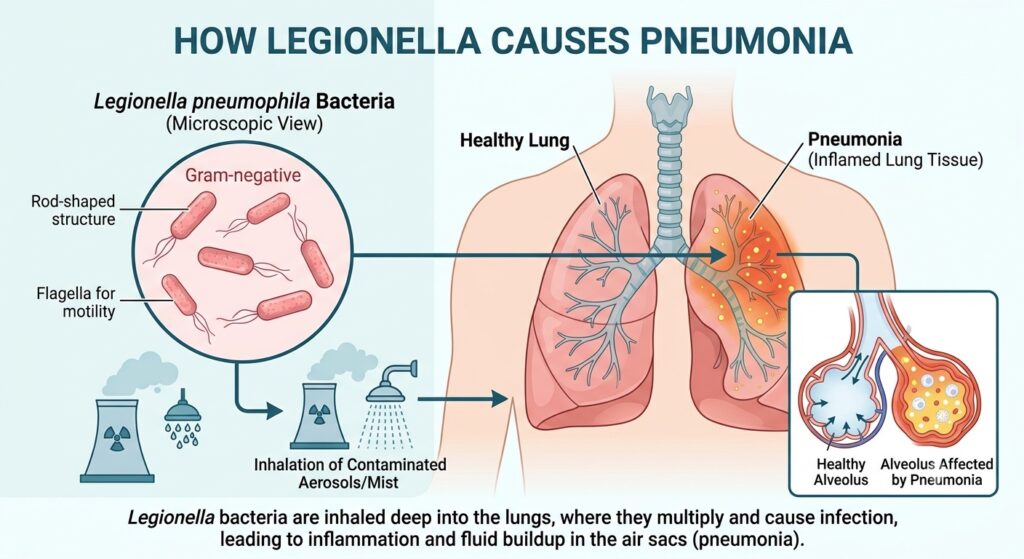
That mist is exactly the problem. If the warm water inside a cooling tower isn’t cleaned regularly, a type of bacteria called Legionella can grow in it. When the tower sprays out its mist, tiny water droplets carrying that bacteria can drift into the air — and if someone breathes them in, they can get sick.
This is the story behind the current NYC legionnaires cluster upper east side, and it’s exactly why cooling towers (not your home AC) are the focus of the investigation.
What Actually Happened in NYC
Here’s the timeline, according to the NYC Health Department:
- On July 2, 2026, city health officials spotted two Legionnaires’ disease cases close together in the Carnegie Hill and Yorkville neighborhoods of the Upper East Side (ZIP codes 10028 and 10128) and immediately opened an investigation.
- By July 5, a new case appeared in a nearby ZIP code (10075), so the investigation zone expanded.
- The city tested water samples from cooling towers all across the area — a preliminary list released July 10 identified 31 buildings whose cooling towers tested positive for Legionella during initial screening.
- As testing continued, that number grew. By mid-July, towers on 76 buildings in the Upper East Side had tested positive for the bacteria.
- As of July 15, 2026, the city reported 64 confirmed cases, with 13 people hospitalized, 40 discharged, and no deaths reported.
The encouraging part? New cases have been dropping fast — from as many as 11 new cases a day at the peak down to just 1–2 per day by mid-July, according to city health officials.
Mayor Zohran Mamdani directed city agencies to respond with urgency, and for the first time, the city publicly released the addresses of every building whose cooling tower tested positive — a transparency move that hadn’t been done in past outbreaks.
So… How Worried Should You Actually Be?
Here’s something really important that officials have repeated over and over: this outbreak has nothing to do with your home air conditioner, your shower, or your tap water. Legionella bacteria spreads through the mist released by cooling towers into the outside air — it does not affect indoor plumbing or window AC units. You can still safely drink tap water, shower, and run your AC at home.
Also worth knowing: Legionnaires’ disease is not contagious. You can only get sick by directly breathing in air containing the bacteria — it cannot spread from person to person. So you don’t need to worry about “catching it” from a sick friend or family member.
Legionella Cooling Tower Symptoms: What to Watch For
This is the part everyone actually wants to know, so let’s get specific. Symptoms usually show up 2 to 14 days after exposure, and they can look a lot like a bad flu or regular pneumonia at first. Here’s the classic symptom list:
- Fever and chills
- Cough
- Muscle aches
- Shortness of breath
- Headache
- Low appetite
- Confusion (in more serious cases)
- Diarrhea
Legionnaires Disease Early Symptoms vs Flu — How to Tell the Difference
This is genuinely tricky because early on, Legionnaires’ disease can feel exactly like the flu — fever, body aches, fatigue. A few clues that might point toward Legionnaires’ instead of a regular flu:
- It gets worse instead of better after a few days, especially breathing problems
- You develop a persistent, worsening cough rather than the sniffles
- You’ve recently spent time in an area with a known outbreak (like the Upper East Side ZIP codes right now)
- Confusion or digestive symptoms (diarrhea, nausea) show up alongside respiratory symptoms — this combo is less typical of a normal flu
The safest move if you’ve been in the affected area and start feeling sick? Don’t try to self-diagnose — go see a doctor and mention you may have been exposed. Legionnaires’ disease is confirmed with a simple urine or lab test.
Who Is at Risk for Legionnaires Disease?
Not everyone who’s exposed to Legionella actually gets sick — in fact, most people don’t. People at higher risk include adults 50 and older, smokers or vapers, and people with chronic lung disease or weakened immune systems. If you don’t fall into these groups, your risk is much lower, even if you live or work in the affected area.
According to the CDC, roughly 1 in 10 people who develop Legionnaires’ disease will die from it — which sounds scary, but it’s important context: that statistic includes people who are older, already sick, or diagnosed late. No deaths have been reported in this specific NYC cluster so far.
Legionella Pneumonia Recovery Time
Here’s some genuinely reassuring news: Legionnaires’ disease can be treated effectively with antibiotics, especially when it’s caught early.
Most people who get diagnosed promptly and start antibiotic treatment recover well, often within a few weeks, though hospitalization for more serious cases is common while the pneumonia clears.
In this outbreak specifically, more than half of the people who were hospitalized have already been discharged and are recovering at home — which is honestly a really good sign for how manageable this is with early treatment.
What the Community Is Saying
For people actually living in the affected neighborhoods, this has understandably been unsettling. One Upper East Side resident described taking precautions after learning a nearby building was flagged, saying they’d started keeping their windows closed near the affected tower just to be extra careful, even after it had been cleaned. City Council Speaker Julie Menin also publicly pushed back on how the situation was being managed, raising concerns about the outbreak response in her district.
Meanwhile, Legionella expert Janet Stout pointed out a real gap in the system: about half of all cooling towers in the affected ZIP codes hadn’t been inspected by the city in over a year.
Her advice to residents? Simply ask building owners directly whether their cooling tower has been tested recently — a completely reasonable thing to do if you live nearby.
How to Prevent Legionella in Air Conditioner Systems
If you’re a building manager, super, or even a curious tenant, here’s what actually helps prevent Legionella growth:
- Regular cooling tower maintenance — cleaning and disinfecting on a scheduled basis (this is now legally required more frequently in NYC after a 2025 law was passed)
- Routine water testing for Legionella bacteria, not just when problems are suspected
- Keeping water temperatures outside the bacteria’s favorite range (Legionella thrives in warm, stagnant water)
- Avoiding stagnant water in any large-scale water system, including hot tubs, fountains, and hospital water systems
Legionella Bacteria Home Water System: Do You Need to Worry?
For most renters and homeowners, home plumbing isn’t really a major risk factor — this bacteria loves large, complex water systems like cooling towers, big building hot water tanks, hot tubs, and decorative fountains far more than a typical home faucet.
That said, if your home has a hot water tank that’s rarely used or kept lukewarm for long stretches (like a vacation home), it’s smart to run hot water through the system periodically to avoid stagnant conditions where bacteria could grow.
The Bottom Line
This outbreak is a genuinely useful reminder of something most of us never think about: the huge, hidden infrastructure that keeps big city buildings cool. Cooling towers are incredibly common (there are over 200 of them just in the affected Upper East Side ZIP codes alone), and this event has pushed the city toward more transparency and more frequent testing going forward.
If you live or work in the Upper East Side and start feeling flu-like symptoms that don’t improve, don’t panic — just see a doctor and mention the outbreak. Caught early, this is very treatable. And for everyone else? Your AC is fine. Go ahead and keep cool this summer.
Sources
- NYC Health Department – Community Cluster Investigation Announcement
- NYC Health Department – Preliminary List of Buildings Ordered to Clean Cooling Towers
- CNN – Dozens of NY Cooling Towers Test Positive as Outbreak Reaches 63 Cases
- Spectrum News NY1 – Legionnaires’ Outbreak Slows as NYC Continues Cleaning Cooling Towers
- Spectrum News NY1 – Legionnaires’ Cluster Grows to 63 Cases on Upper East Side
- Gothamist – We Mapped Every UES Cooling Tower in the Outbreak Area
- ABC7 New York – Legionella Found in Upper West Side Building’s Water System
- AJMC – NYC Legionnaires Disease Cluster Slows as Remediation Continues
Disclaimer: This content is for informational purposes only and is not intended as medical advice, diagnosis, or treatment. Always seek the advice of a qualified healthcare provider with any questions you may have regarding a medical condition.