
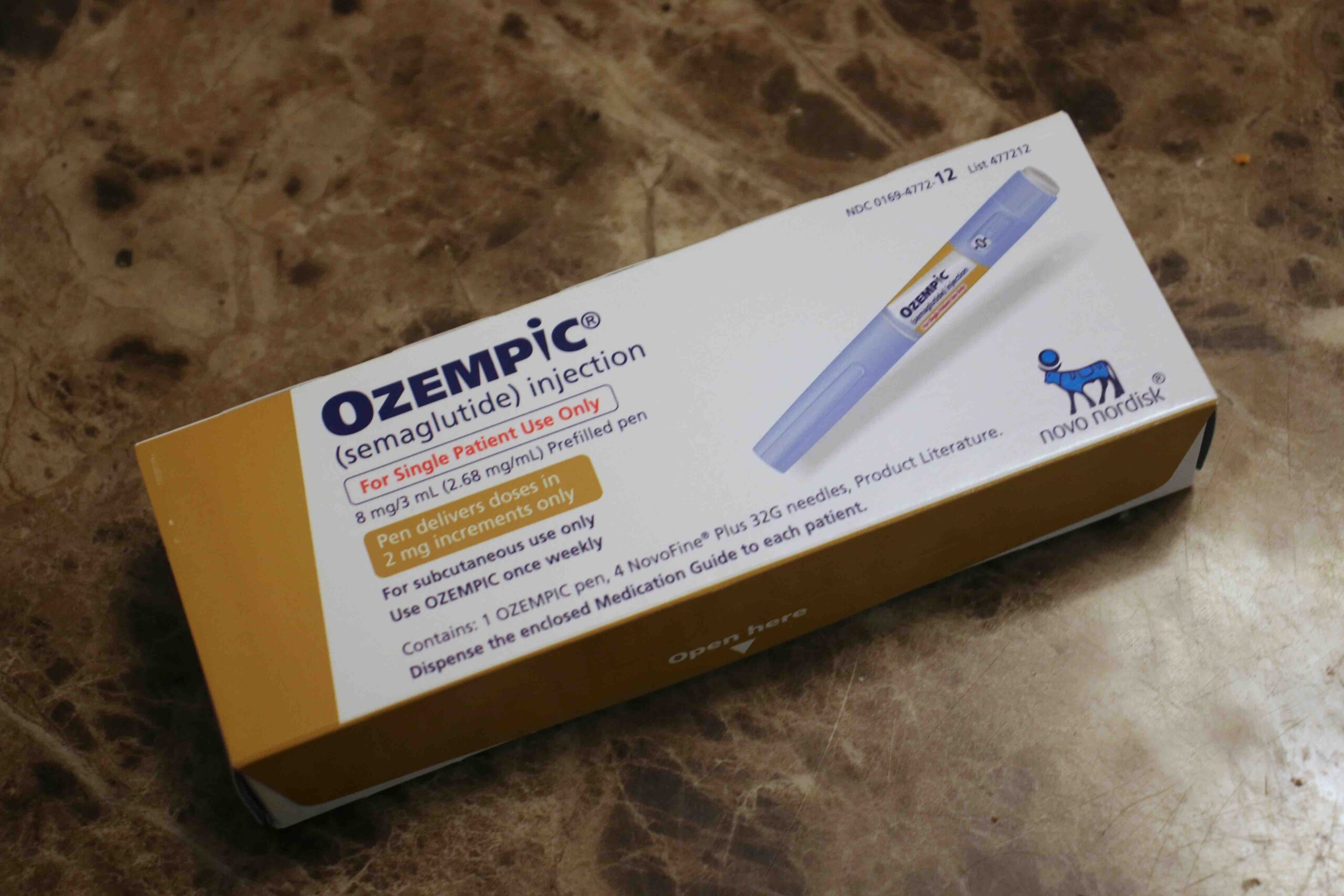
If you’ve been on TikTok or Reddit lately, you’ve probably seen at least one post about someone messing up their Ozempic or Wegovy shot. Turns out, it’s not just a random internet story — it’s a real, documented trend. Poison control centers across the U.S. have seen calls about these drugs explode, and researchers finally dug into why. Spoiler: it’s almost never because someone is abusing the drug. It’s because the instructions are more confusing than people expected, and small mix-ups turn into big problems.
Let’s break down what’s actually happening, why it’s happening, and — most importantly — how you (or someone you love) can avoid becoming part of the statistic.
The Numbers Are Kind of Wild
A study published in the Journal of Medical Toxicology tracked what happened to poison control calls after semaglutide (that’s the active ingredient in both Ozempic and Wegovy) got FDA approval for weight loss in 2021. The result? Calls jumped from roughly 1,500 a year to more than 8,000 a year in just two years — over a five-fold increase. That’s the kind of jump that makes researchers sit up and pay attention.
One of the study’s researchers, Jordan Miller (who started this research as an undergrad at UT San Antonio), put it simply: people were going “full blast” with a drug that’s designed to be introduced slowly. And once you understand the two biggest mistakes behind this surge, it actually makes a lot of sense.
Ozempic Dosing Mistakes #1: Injected Daily Instead of Weekly
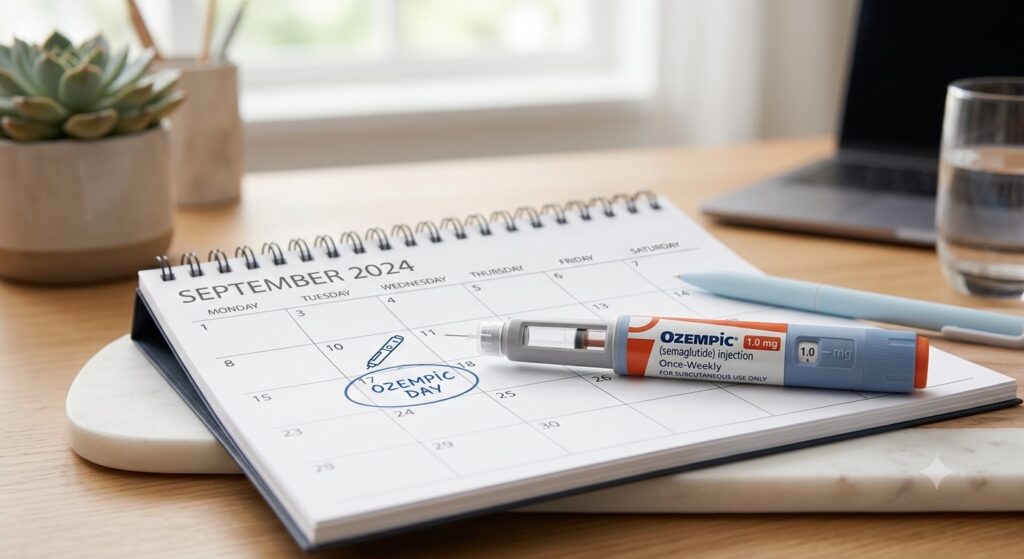
This is probably the single most common — and most avoidable — mistake out there. Ozempic and Wegovy are both weekly injections. You take one shot, same day every week, and that’s it.
But here’s the thing: most of us are used to daily medications. Take a vitamin, take a pill, brush your teeth — daily habits are easy for our brains to remember. A once-a-week shot doesn’t have that same built-in rhythm, so people sometimes default to old habits and accidentally inject more often than they should. Imagine taking a medication that’s supposed to build up slowly in your body over a week, but instead you’re giving your body seven times the intended amount. That’s exactly the kind of “dosing mistake” that’s been flooding poison control lines.
Ozempic Dosing Mistakes #2: Skipping the Titration Schedule
The second big issue involves what doctors call the “titration schedule” — basically, a step-by-step plan where you start on a very low dose and slowly increase it over several weeks. This isn’t just a suggestion; it’s there because jumping straight to a higher dose can hit your stomach and digestive system hard, causing nausea, vomiting, and other unpleasant (and sometimes dangerous) symptoms.
Some patients, especially those eager for faster results, have skipped steps in this schedule — either by accident or because they didn’t fully understand why it mattered. Either way, “ozempic titration schedule mistakes” is now a well-documented pattern behind a lot of these emergency calls.
The Compounded Medication Wildcard
Here’s where things get extra messy: compounded semaglutide dosing errors. Because brand-name Ozempic and Wegovy have been expensive and hard to get due to shortages, a huge number of people have turned to compounded versions sold through online telehealth sites or medical spas. Unlike the official pens, which come pre-measured, compounded semaglutide often comes in a vial that patients have to measure themselves using a syringe.
The FDA has actually put out a public warning about this. According to their alert, patients unfamiliar with drawing medication from a vial — combined with confusion between measurement units like milliliters, milligrams, and “units” (a term more commonly used for insulin) — has directly contributed to dosing errors, some serious enough to require hospitalization.
This connects to another very real, very common mix-up: Ozempic pen units vs. mg confusion. Official Ozempic and Wegovy products are dosed in milligrams (mg), full stop. If your instructions mention “units,” that’s actually a red flag — it usually means you’re dealing with a compounded product, and you should double check everything with your pharmacist or doctor before injecting anything.
What People Are Saying Online
Scroll through GLP-1 patient forums and social media groups, and you’ll notice a pattern in the comments: a lot of confusion, especially from first-time self-injectors. People frequently mention things like picking up the wrong strength pen by mistake, losing track of which week they’re supposed to increase their dose, or just feeling generally unsure about the syringe math when using compounded versions. It’s a good reminder that even smart, careful people can get tripped up by a process that sounds simple on paper but gets confusing in real life — especially when there’s no pharmacist standing next to you double-checking your syringe.
Wegovy Overdose Symptoms: What to Watch For
The encouraging news from the research is that most of these cases were mild. According to the study, the most common symptoms reported were things like nausea, vomiting, stomach pain, diarrhea, dizziness, and headache — unpleasant, but generally not life-threatening. Still, researchers noted that people were seeking emergency care at much higher rates than before, likely because the symptoms felt scary or unfamiliar.
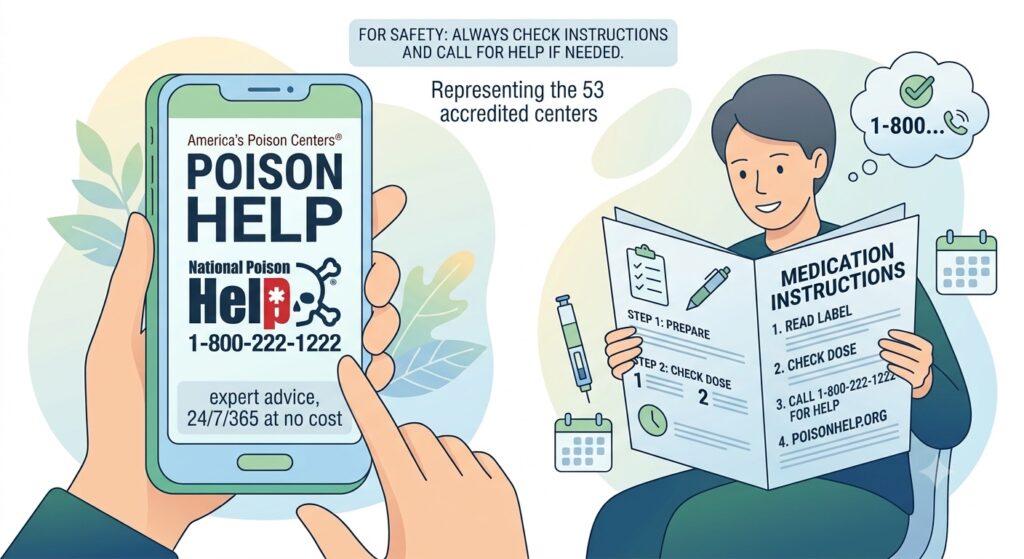
If you or someone near you has taken an incorrect dose and is experiencing severe vomiting, extreme weakness, fainting, or symptoms of very low blood sugar (like confusion, shakiness, or a racing heart), don’t try to tough it out — contact Poison Control or seek medical care right away.
How to Safely Self-Inject Ozempic (The Basic Rules)
You don’t need to be scared of these medications — you just need a system. A few general habits that patient education materials and doctors consistently recommend:
- Mark your calendar. Pick one day of the week for your shot and set a recurring reminder on your phone.
- Double-check the pen strength before every injection, especially if you have leftover pens from a previous dose level.
- Never guess at conversions. If your instructions use “units” instead of “mg,” stop and call your pharmacy before injecting anything.
- Follow the titration schedule exactly as your doctor laid it out, even if you’re impatient for results.
- Ask questions. If anything about your prescription — brand-name or compounded — feels unclear, that confusion is a sign to call your provider, not to guess.
The Bottom Line
The surge in poison control calls isn’t really about Ozempic or Wegovy being dangerous drugs. It’s about millions of new users navigating a dosing system that’s genuinely easy to get wrong, especially with weekly injections, unfamiliar measurement units, and a rise in compounded versions that require more manual steps.
The fix isn’t complicated: understand your schedule, double check your dose, and don’t hesitate to ask your doctor or pharmacist a “dumb” question. It’s a lot better than an unplanned trip to the ER.
Sources
- ScienceDaily — The Ozempic and Wegovy mistake sending thousands to poison control
- MedicalDaily — Ozempic and Wegovy Dosing Errors Drove Poison Control Calls from 1,500 to 8,000 a Year
- U.S. News & World Report — It’s Not an Overdose: The Common Dosing Slip-Ups Sending GLP-1 Patients to the ER
- Eastern Herald — Ozempic Drives 64% of GLP-1 Poison Control Calls, New Study
- ScienceBlog.com — Weight-Loss Drug Boom Sent Poison Control Calls Soaring, and Most Were Avoidable
- StudyFinds — Poison Center Calls For Semaglutide Weight-Loss Drugs More Than Doubled After FDA Approval
- U.S. Food and Drug Administration — FDA Alerts Health Care Providers, Compounders, and Patients to Dosing Errors Associated with Compounded Semaglutide
- University of Utah Health — Thinking Ozempic or Wegovy for Weight Loss? Poison Control Centers Urge Caution
Disclaimer: This content is for informational purposes only and is not intended as medical advice, diagnosis, or treatment. Always seek the advice of a qualified healthcare provider with any questions you may have regarding a medical condition.